CELPIP® Speaking Task 5 sample: Keeping Camping Gear Dry
Comparing and Persuading · Choose: 60 seconds · Preparation: 60 seconds · Response: 60 seconds · Published
Original practice questions in CELPIP® task formats, created independently by CELPIP Study.
Practice question
You and your friend Gabriel keep eight large containers of shared camping gear in your Belleville basement. Shallow puddles sometimes form there during spring rain. You have $180 to arrange storage before four weeks of wet spring weather; purchased equipment can be reused afterward. You need access most weekends, and your small porch is another possible storage location. Choose one of these two options.
Raised Storage Rack
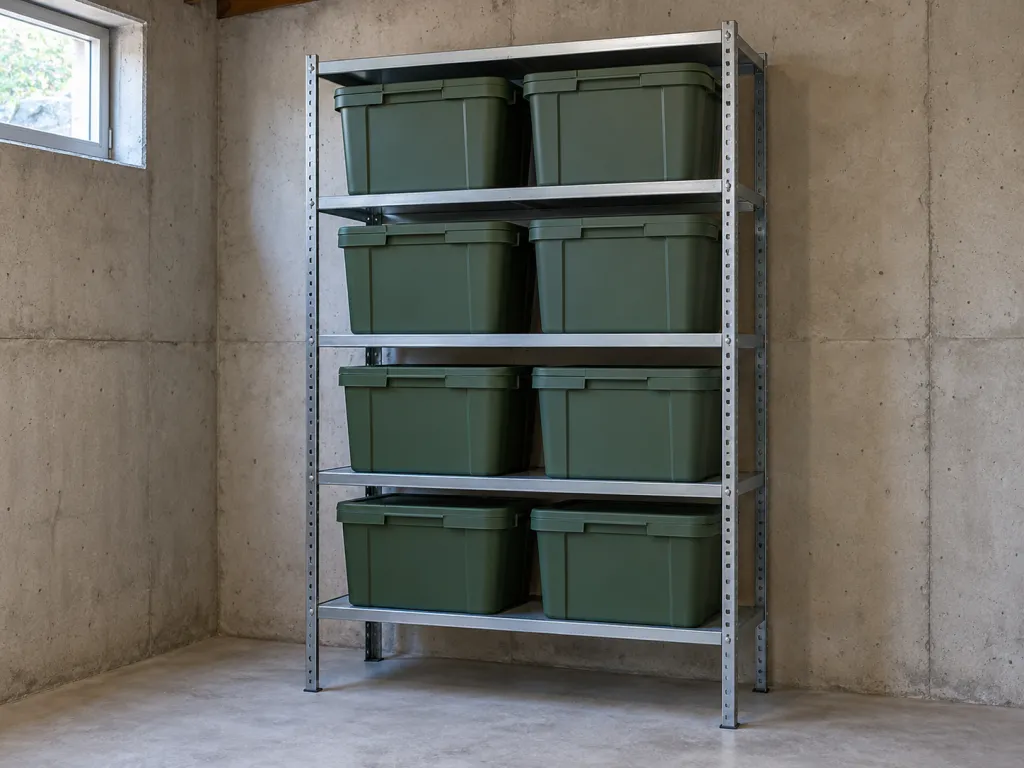
- Cost: $150 to purchase
- Capacity: eight large containers
- Location: basement, accessible anytime
- Protection: lowest shelf stands 60 cm above the floor
Indoor Storage Locker
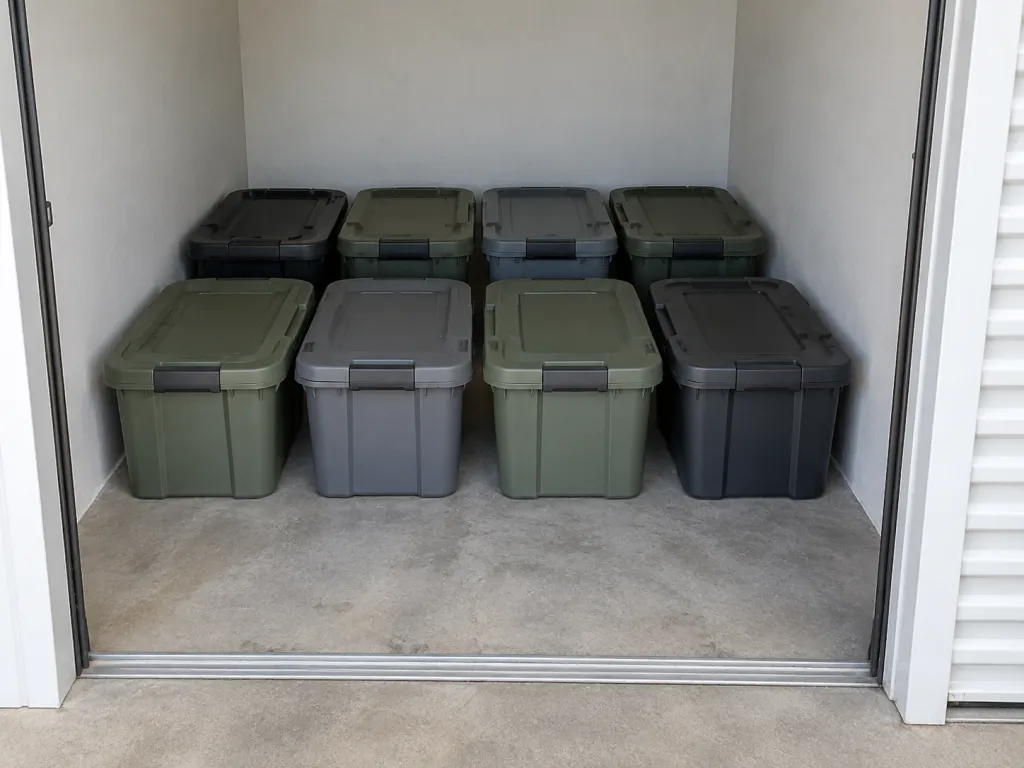
- Cost: $110 for four weeks
- Capacity: eight large containers
- Location: 8 km away, accessible 8 a.m.–8 p.m.
- Protection: enclosed second-floor indoor unit
Your friend’s alternative
Sealed Porch Chest
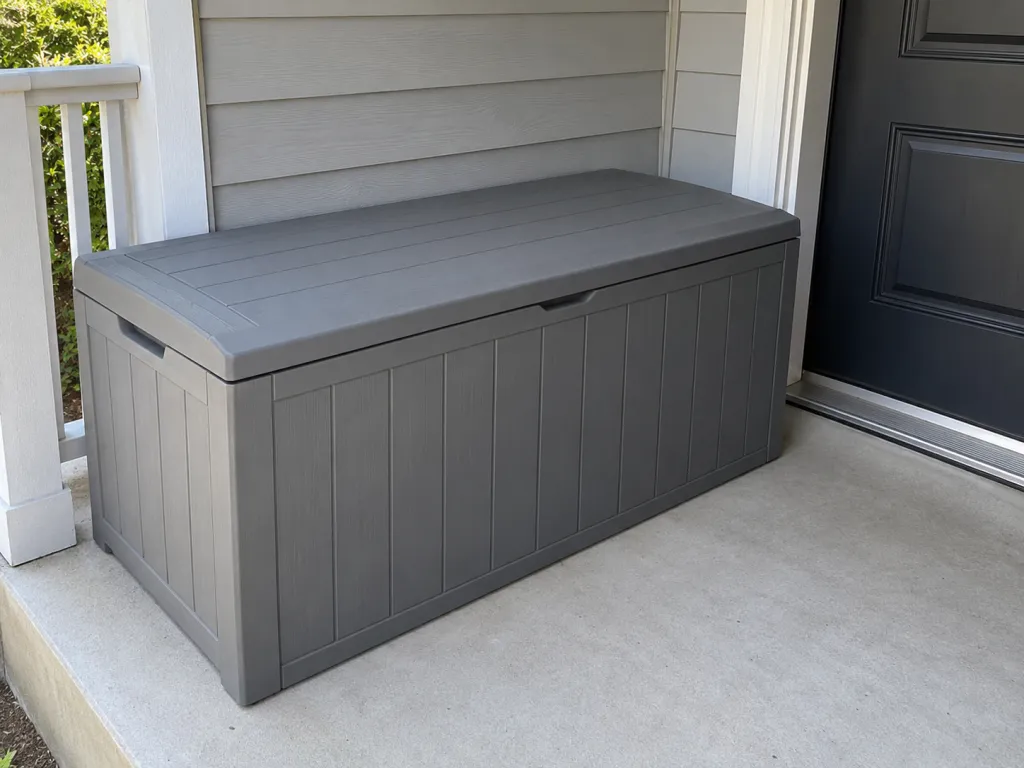
- Cost: $175 to purchase
- Capacity: eight large containers
- Location: porch, accessible anytime
- Protection: sealed against rain, sits at ground level
Gabriel suggests buying the Sealed Porch Chest because it keeps rain out and leaves the basement free. Speak to Gabriel and explain why the option you selected would work better for your shared camping gear.
Model answers
These are transcripts of a model response, provided for comparison with your own recording.
The models choose Raised Storage Rack before responding to the friend’s alternative.
Level 7 sample answer
114 words
Gabriel, I understand why you like the chest. Keeping rain out is useful, and we'd have more space downstairs. But, um, I think the raised rack is better for us. It cost $150, so it's $25 cheaper than the chest. It also holds all eight containers, and we can get our gear whenever we need it. The bottom shelf is 60 centimetres above the floor, which should help with those shallow puddles. Also, we can keep porch clear instead of putting a big chest there. The rack isn't sealed, but our main problem is water on the basement floor. We could keep using it after these four weeks, too. Can we choose the rack?
Why this answer is at level 7
This level 7 answer makes a clear choice and supports it with relevant facts about price, puddles, access and porch space. Its mostly list-like structure, basic wording and occasional grammatical slips make it less developed and smooth than the level 9 answer.
The bottom shelf is 60 centimetres above the floor, which should help with those shallow puddles.
— Content/Coherence: This connects a rack feature directly to the basement problem. However, it appears among several separate advantages; a higher-level answer would organize the comparison around which differences matter most.It cost $150, so it's $25 cheaper than the chest.
— Vocabulary: The everyday phrase cheaper than communicates the price advantage clearly. A higher-level answer would use more varied evaluative language to explain how much that saving matters alongside protection and space.Also, we can keep porch clear instead of putting a big chest there.
— Listenability: The point is easy to follow, but the missing article before porch makes the phrasing less smooth. A higher-level answer would express the same practical concern with more consistent grammatical control.The rack isn't sealed, but our main problem is water on the basement floor.
— Task Fulfillment: This directly answers Gabriel's reason for choosing the sealed chest and keeps the recommendation relevant to the actual water problem. A higher-level answer would explain more fully why elevation makes the rain seal less decisive.
Level 9 sample answer
151 words
Gabriel, I understand wanting to move the gear out of the basement, especially when puddles appear. The chest would also keep rain off everything. Still, I think the rack would suit us better. Its lowest shelf is 60 centimetres above the floor, so our containers would be above those shallow puddles. We'd have space for all eight, just as we would with the chest. The rack costs $150 compared with $175, and either purchase could be used again after these four weeks. We'd also keep the gear at home with access whenever we needed it. If we decided to pack early for a weekend trip, we could collect everything then. My other concern is the chest taking over our small porch. The rack would let us keep that outdoor space available. I think it offers enough protection for our situation without using up another part of the house. Let's choose it.
Why this answer is at level 9
This level 9 answer develops a clear, practical comparison with accurate details and a useful weekend-packing example. Compared with level 7, its explanations flow more smoothly; compared with level 11, it spends more time listing shared benefits and gives less explicit weight to the deciding factors.
We'd have space for all eight, just as we would with the chest.
— Content/Coherence: This accurately identifies capacity as a shared benefit. The level 11 answer goes further by explicitly removing shared benefits from the decision, leaving more attention for protection and the lasting use of porch space.I think it offers enough protection for our situation without using up another part of the house.
— Vocabulary: Enough protection expresses a measured judgment, while using up makes the space concern easy to understand. A higher-level answer would describe the continuing space commitment more precisely and connect it to the purchase's longer-term value.If we decided to pack early for a weekend trip, we could collect everything then.
— Listenability: The conditional sentence gives the listener a concrete, familiar example in natural language. However, anytime access also applies to the porch chest; a higher-level answer would acknowledge that immediately so the example's relevance stays clear.My other concern is the chest taking over our small porch.
— Task Fulfillment: This responds to Gabriel's space argument by showing that freeing the basement would occupy another limited area. A higher-level answer would connect this concern explicitly to keeping and reusing the purchased equipment after the wet weather.
Level 11 sample answer
171 words
Gabriel, freeing up the basement is a fair point, and the chest's rain seal is reassuring. I'd still buy the rack because its protection matches the problem we've actually identified. If rain were reaching the containers from above, the chest would have the edge. Here, though, we're dealing with shallow puddles underneath them; a lowest shelf 60 centimetres above the floor directly addresses that exposure. Both options accommodate all eight containers and allow access whenever we want, so neither capacity nor weekend packing tips the balance. What does matter is where the equipment will live afterward. The rack keeps our storage in the basement, whereas the chest commits much of a small porch to camping gear. Since either purchase can serve us beyond these four weeks, I'd give that lasting footprint more weight than the $25 saving, although paying $150 instead of $175 certainly helps. We don't need a solution to every imaginable water problem. Let's buy the rack for the conditions we have and preserve some room to manoeuvre outside.
Why this answer is at level 11
This level 11 answer builds a persuasive decision around the actual water exposure and the equipment's lasting footprint. It distinguishes shared benefits from deciding factors, fairly acknowledges the chest's strengths, and uses precise language and controlled sentence structures to explain its priorities.
Both options accommodate all eight containers and allow access whenever we want, so neither capacity nor weekend packing tips the balance.
— Content/Coherence: This groups the shared benefits and explains why they cannot decide between the rack and chest. That creates a focused argument and prepares the listener to consider the differences that actually support the recommendation.I'd give that lasting footprint more weight than the $25 saving
— Vocabulary: Lasting footprint concisely describes the space the equipment will continue occupying, while more weight expresses a clear priority. The vocabulary helps explain the decision rather than simply making the description more elaborate.If rain were reaching the containers from above, the chest would have the edge.
— Listenability: The controlled conditional makes the chest's advantage easy to understand before the answer returns to puddles underneath the containers. This clear sequence helps the listener follow a nuanced comparison without losing the main recommendation.Let's buy the rack for the conditions we have and preserve some room to manoeuvre outside.
— Task Fulfillment: The closing gives Gabriel a direct recommendation tied to the identified water problem and the small porch. It completes the persuasion by bringing the practical priorities together in a clear proposed action.
What moves an answer from 7 to 9 to 11
These are model answers written to show each level. The labels are practice estimates, not examiner scores.
Make your chosen option clear and compare it with the friend’s alternative using the stated facts. Explain how those differences meet your needs and persuade the listener respectfully.
- Content/Coherence: Level 7 models communicate the main ideas; level 9 models develop relevant details with clear connections; level 11 models sustain precise, well-integrated development.
- Vocabulary: Compare adequate everyday wording with more varied, accurate choices at level 9 and flexible, precise expression at level 11.
- Listenability: Higher-level delivery needs clear pronunciation, rhythm, intonation and controlled pauses. Transcripts suggest phrasing and organisation, but cannot demonstrate these audio features; a recording is needed.
- Task Fulfillment: Compare how fully the response addresses the request, develops enough relevant detail and maintains an appropriate tone for the audience within the task limits.
Assess the criteria together. A longer answer or rarer words alone do not establish a higher level.
Answer this question and get your level
More Task 5 questions
- Cooling a Shared Apartment
- An Autumn Afternoon Outdoors
- A Quiet Neighbour Welcome
- Visitor Parking That Works
- Sharing Winter Lane Clearing
- Space for Neighbours' Dogs
All speaking Task 5 sample questions · Read the Task 5 guide