CELPIP® Speaking Task 5 sample: Sharing Winter Lane Clearing
Comparing and Persuading · Choose: 60 seconds · Preparation: 60 seconds · Response: 60 seconds · Published
Original practice questions in CELPIP® task formats, created independently by CELPIP Study.
Practice question
You are helping four neighbouring households in Grande Prairie choose how to clear their shared private lane this winter. The group has $1,600. After snowfalls of at least 3 cm, the lane must be cleared by 7 a.m. on weekdays. Residents often travel, making volunteer coverage difficult. Choose one of the two plans.
Early Snow Service
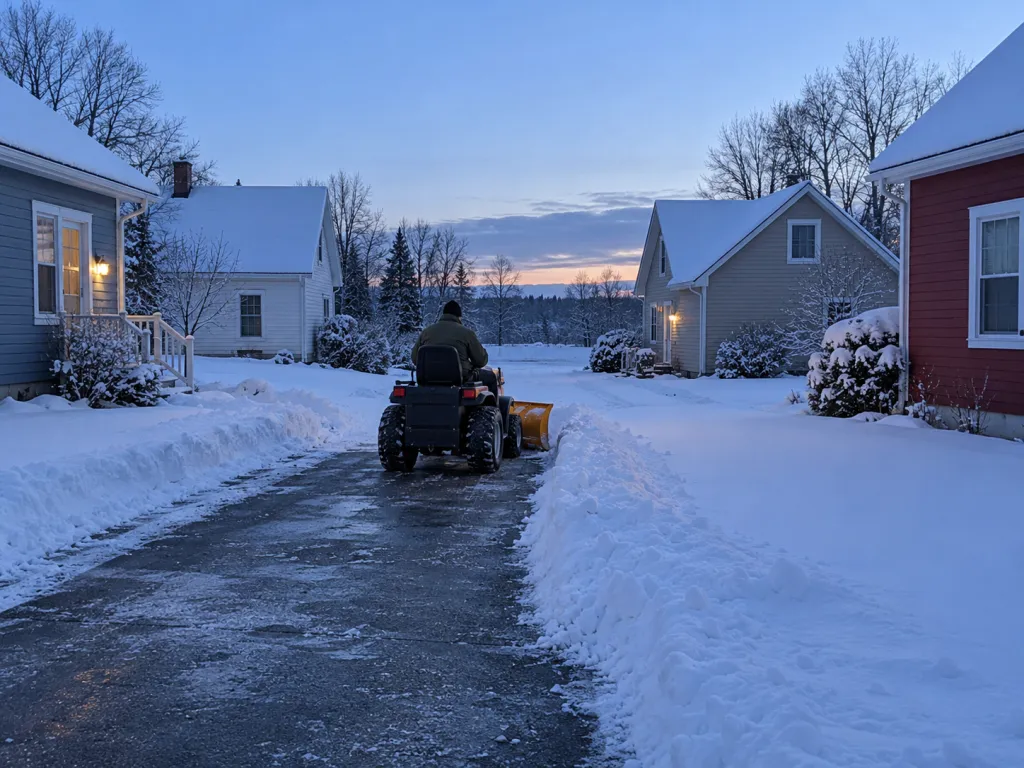
- Costs $1,480 for the winter
- Weekdays: cleared by 6:30 a.m.
- Clearing starts at 3 cm of snowfall
- No resident labour required
Neighbour Shovelling Team
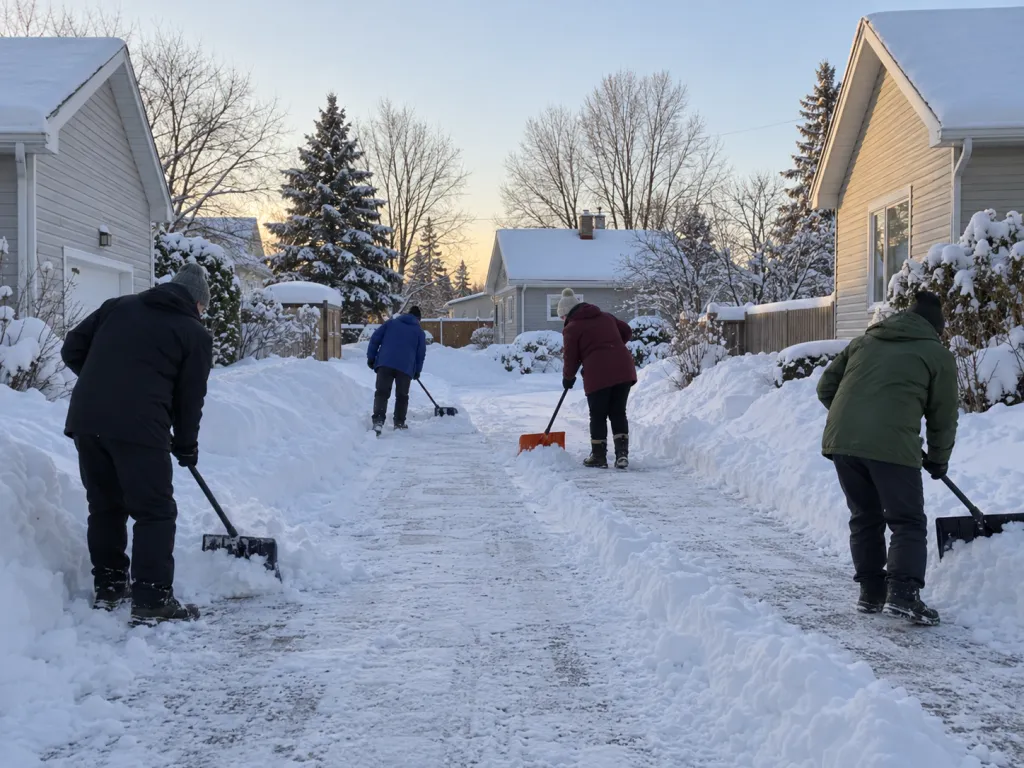
- Costs $520 for the winter
- Weekdays: cleared by 7 a.m. with a 6 a.m. start
- Clearing starts at 1 cm of snowfall
- Four residents needed for each clearing
Your friend’s alternative
Shared Snowblower Rental
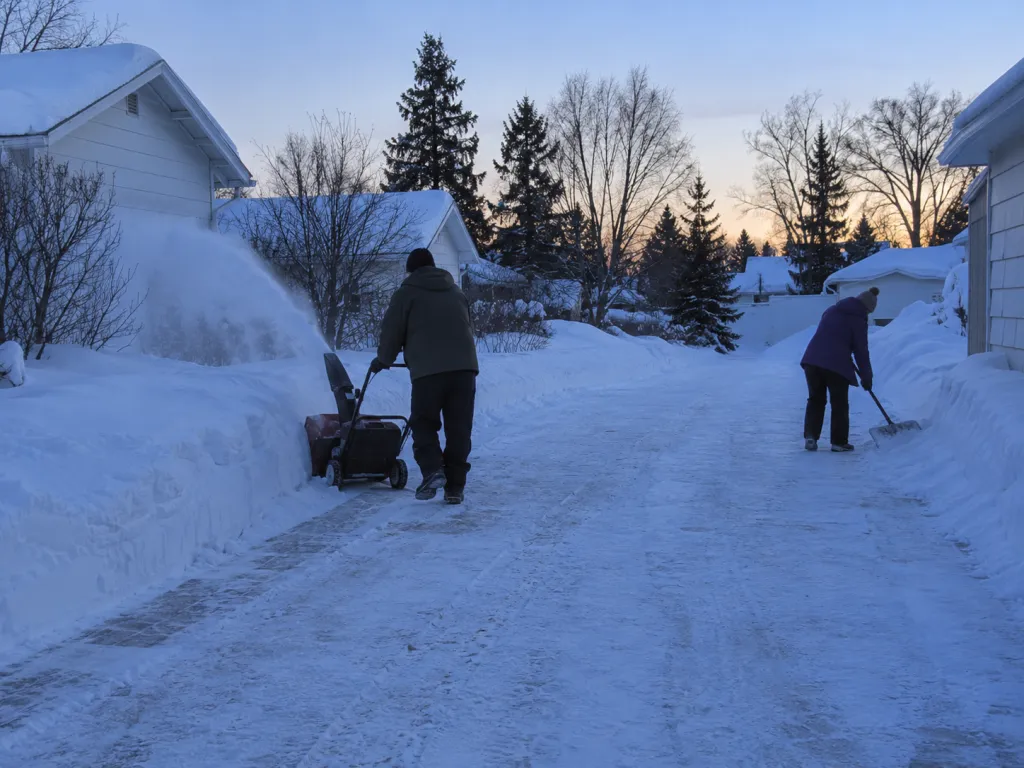
- Costs $1,100 for the winter
- Weekdays: cleared by 6 a.m. with a 5:30 a.m. start
- Clearing starts at 1 cm of snowfall
- Two residents needed for each clearing
Your friend Erin, who belongs to one of the four households, recommends the Shared Snowblower Rental. Explain why your chosen plan would be better for the group, while recognising the advantages Erin sees in renting equipment.
Model answers
These are transcripts of a model response, provided for comparison with your own recording.
The models choose Early Snow Service before responding to the friend’s alternative.
Level 7 sample answer
121 words
Erin, renting the snowblower would save money, and I like that it clears smaller snowfalls too. But I'd choose the Early Snow Service. It costs $1,480, which is still under our limit. Um, the rental needs two people to start at five thirty, and we already know people travel often. Finding someone for replace them could become difficult. The service would clear the lane by six thirty after at least three centimetres of snow. That's early enough for our seven o'clock deadline. It also means the neighbours doesn't need to take clearing shifts. I know we're paying $380 more, but we're paying for less work and fewer scheduling problems. I think that would make the winter easier for all four households.
Why this answer is at level 7
This level 7 answer makes a clear choice and supports it with relevant costs, timing and travel concerns. Its straightforward reasoning communicates the recommendation, but grammatical slips, broad wording and limited discussion of the lighter-snow trade-off hold it below the more developed answers.
I know we're paying $380 more, but we're paying for less work and fewer scheduling problems.
— Content/Coherence: This connects the extra cost to practical benefits for the households. The higher-level answers develop that connection further by explaining why dependable staffing should take priority over the rental's savings and earlier finish.I think that would make the winter easier for all four households.
— Vocabulary: The wording is clear and appropriate, but easier is a broad description of the benefit. A higher-level answer identifies the specific improvement more precisely, such as reliable coverage when residents travel.Finding someone for replace them could become difficult.
— Listenability: The intended staffing concern is understandable, but for replace creates a grammatical interruption. The higher-level answers express the replacement problem in complete, natural phrases that are easier to follow.That's early enough for our seven o'clock deadline.
— Task Fulfillment: This correctly checks the service against the group's deadline. A higher-level response also gives fuller attention to Erin's advantage in clearing lighter snow and acknowledges that choosing the service leaves that question unresolved.
Level 9 sample answer
156 words
Erin, I understand the attraction of renting. We'd save $380, clear snow down to one centimetre and potentially finish by six. Nevertheless, I'd choose the Early Snow Service because our biggest difficulty is arranging reliable coverage when residents travel. The rental still requires two people every time, starting at five thirty. If a volunteer is away, somebody else has to pick up the slack, and that could become frustrating over a whole winter. The service removes that ongoing responsibility. Its six-thirty completion time meets our seven o'clock requirement, and the three-centimetre trigger matches the heavier snowfalls we need covered. At $1,480, we'd also remain $120 under budget. We'd need to agree separately on what to do about lighter snow, which is a real advantage of your proposal. Even with that limitation, I think avoiding repeated volunteer arrangements justifies the extra cost. Would you support spending more for a plan that doesn't depend on everyone's travel schedule?
Why this answer is at level 9
This level 9 answer develops a persuasive comparison, uses the budget accurately and openly acknowledges the lighter-snow limitation. Compared with level 7, its language and organization are more controlled; level 11 goes further by distinguishing equipment access from dependable staffing and bringing the competing priorities together in its closing request.
We'd need to agree separately on what to do about lighter snow, which is a real advantage of your proposal.
— Content/Coherence: This acknowledges a genuine limitation instead of treating the service as better in every respect. The top answer develops the comparison further by explaining why settling this limited question is preferable to repeatedly arranging replacement volunteers.somebody else has to pick up the slack
— Vocabulary: This natural expression makes the burden on other residents easy to understand. The top answer adds more precise conceptual language to explain why renting equipment does not resolve the group's staffing problem.We'd save $380, clear snow down to one centimetre and potentially finish by six.
— Listenability: The parallel list presents Erin's benefits in an orderly, easily followed sequence. The top answer separates cost and snowfall coverage from the earlier finish, giving each comparison slightly more room before examining its conditions.Would you support spending more for a plan that doesn't depend on everyone's travel schedule?
— Task Fulfillment: The direct question invites Erin to support the recommendation and reinforces the central travel concern. The top answer's closing request also explicitly acknowledges the lower price and earlier finish the group would give up.
Level 11 sample answer
171 words
Erin, the rental has two clear advantages: it's $380 cheaper, and it addresses one-centimetre snowfalls that the service wouldn't cover. Finishing by six would also give us an extra hour before our deadline. I'd still recommend the Early Snow Service, because that earlier finish depends on two residents being available at five thirty every time clearing is needed. With people frequently travelling, we'd be buying equipment access without resolving our hardest problem: dependable staffing. The service, by contrast, requires no resident labour and commits to clearing by six thirty after snowfalls of at least three centimetres. That meets our actual requirement while keeping the winter cost at $1,480, or $120 below budget. I wouldn't pretend the lighter-snow gap disappears; we'd need to discuss whether and how those smaller accumulations should be handled. However, I'd rather settle that limited question than repeatedly find replacements for early-morning clearing. Could we agree that reliable coverage for the required snowfalls deserves priority, even though it means giving up the rental's lower price and earlier finish?
Why this answer is at level 11
This level 11 answer makes the decision turn on the group's central constraint: dependable staffing when residents travel. Precise comparisons, explicit concessions and controlled language connect the recommendation to the deadline and budget while recognising the rental's genuine advantages.
With people frequently travelling, we'd be buying equipment access without resolving our hardest problem: dependable staffing.
— Content/Coherence: This explains why the rental's equipment does not solve the group's main difficulty. It moves beyond listing features to identify the underlying reason the service better fits these households.However, I'd rather settle that limited question than repeatedly find replacements for early-morning clearing.
— Vocabulary: The precise verbs settle and find replacements distinguish an unresolved decision about lighter snow from a recurring staffing burden. The wording makes the practical trade-off concise and concrete.Erin, the rental has two clear advantages: it's $380 cheaper, and it addresses one-centimetre snowfalls that the service wouldn't cover.
— Listenability: The direct address and clear signposting make the opening easy to follow. The sentence groups related advantages coherently, establishing a respectful tone before the recommendation and its supporting explanation.That meets our actual requirement while keeping the winter cost at $1,480, or $120 below budget.
— Task Fulfillment: This explicitly connects the service's timing and snowfall trigger to the required coverage, then confirms affordability. The recommendation rests on the group's stated requirements while retaining a clear account of the remaining budget.
What moves an answer from 7 to 9 to 11
These are model answers written to show each level. The labels are practice estimates, not examiner scores.
Make your chosen option clear and compare it with the friend’s alternative using the stated facts. Explain how those differences meet your needs and persuade the listener respectfully.
- Content/Coherence: Level 7 models communicate the main ideas; level 9 models develop relevant details with clear connections; level 11 models sustain precise, well-integrated development.
- Vocabulary: Compare adequate everyday wording with more varied, accurate choices at level 9 and flexible, precise expression at level 11.
- Listenability: Higher-level delivery needs clear pronunciation, rhythm, intonation and controlled pauses. Transcripts suggest phrasing and organisation, but cannot demonstrate these audio features; a recording is needed.
- Task Fulfillment: Compare how fully the response addresses the request, develops enough relevant detail and maintains an appropriate tone for the audience within the task limits.
Assess the criteria together. A longer answer or rarer words alone do not establish a higher level.
Answer this question and get your level
More Task 5 questions
- Space for Neighbours' Dogs
- Borrowing Tools After Work
- A Birthday Tribute From Everyone
- Room for Visiting Relatives
- Childcare at a Family Gathering
- Getting a Friend Moved
All speaking Task 5 sample questions · Read the Task 5 guide