CELPIP® Speaking Task 5 sample: Getting a Friend Moved
Comparing and Persuading · Choose: 60 seconds · Preparation: 60 seconds · Response: 60 seconds · Published
Original practice questions in CELPIP® task formats, created independently by CELPIP Study.
Practice question
You're helping your friend Javier move within Abbotsford on Saturday. He has 20 boxes and a desk to move 6 km, from a basement suite to a second-floor apartment without an elevator. His budget is $300. Loading cannot begin before 10 a.m., and everything must finish by 2 p.m. Two friends can help only from 1 to 2 p.m. Choose one of these moving arrangements.
Two-Person Moving Crew

- $280 total, including truck
- Booked from 10 a.m. to noon
- All items fit in one trip
- Two movers load and unload
Rental Cargo Van
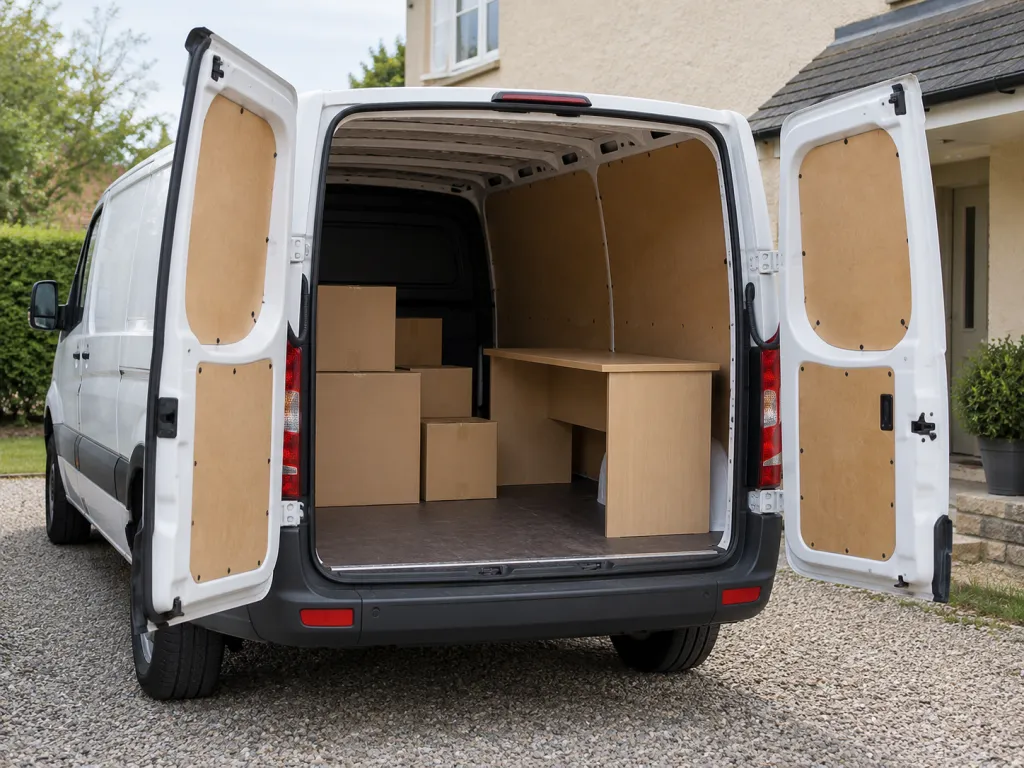
- $120 total
- Six-hour rental starting at 9 a.m.
- All items fit in one trip
- You load and unload everything
Your friend’s alternative
Borrowed Pickup Truck
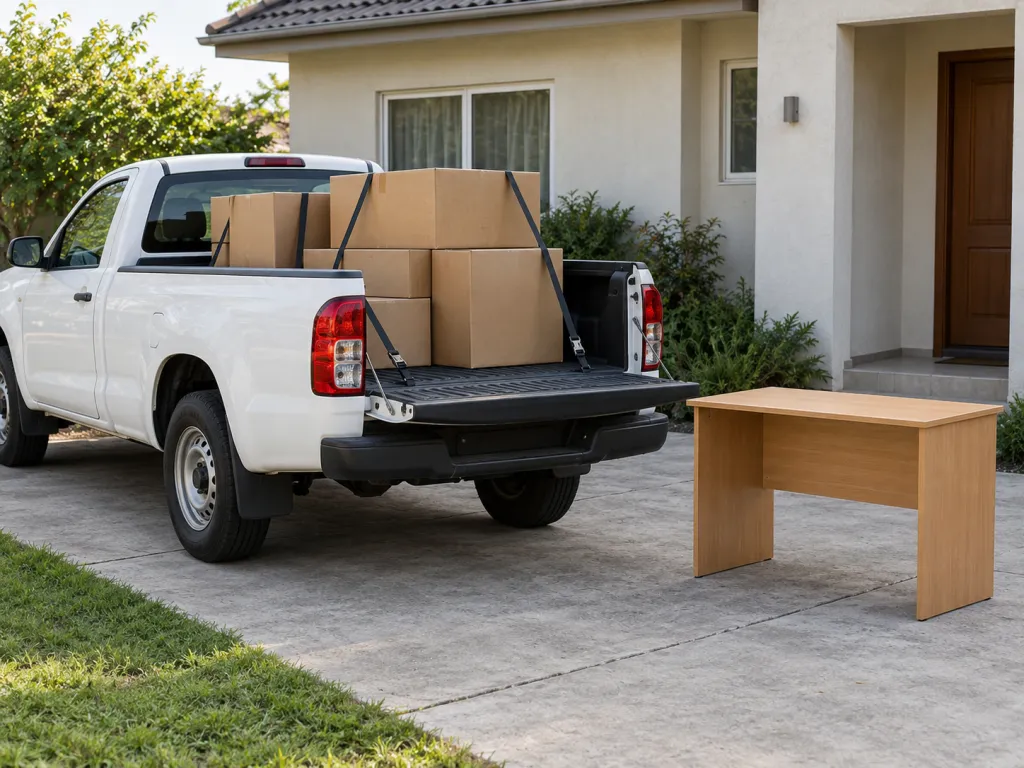
- $40 total for gas
- Available from 11 a.m. to 2 p.m.
- Four trips needed
- You load and unload everything
Your friend, Javier, suggests borrowing a pickup truck because the gas would cost much less than either original option. Persuade him that the arrangement you selected is a better way to complete his move within the budget and available time.
Model answers
These are transcripts of a model response, provided for comparison with your own recording.
The models choose Two-Person Moving Crew before responding to the friend’s alternative.
Level 7 sample answer
122 words
Javier, I know $40 for gas is a good deal, but I think we should book the moving crew. There's four trips with the pickup, and it's only available from eleven until two. That doesn't give us much time. Also, our friends can't help until one. With the crew, you won't have to carry the desk by your own. Two movers will load and unload everything, including taking it upstairs. Um, $280 is a lot more money, but it's still under your $300 limit. They have one trip to make, and their booking is from ten until noon. That leaves time before your deadline if something takes longer. I'd choose the crew so we have a clearer plan for finishing the move.
Why this answer is at level 7
The level 7 answer gives a clear recommendation supported by relevant timing, labour and budget facts. Its reasoning is less developed than the higher-level examples, and awkward phrasing makes the language less controlled.
There's four trips with the pickup, and it's only available from eleven until two.
— Content/Coherence: This connects the pickup's trip count with its limited availability. The higher-level answers explain the consequences more fully, including carrying before the friends arrive and making repeated return journeys.With the crew, you won't have to carry the desk by your own.
— Vocabulary: The intended benefit is clear, but the expression should be “on your own.” The higher-level answers describe the movers' responsibilities more precisely and use more natural phrasing.Um, $280 is a lot more money, but it's still under your $300 limit.
— Listenability: The simple contrast is easy to follow, although the written hesitation interrupts the transition to cost. The higher-level answers connect the extra expense to its practical value more smoothly.I'd choose the crew so we have a clearer plan for finishing the move.
— Task Fulfillment: This directly supports the selected arrangement, but “a clearer plan” is a broad closing benefit. The higher-level answers finish by inviting Javier to book the crew after explaining why the expense is justified.
Level 9 sample answer
150 words
Javier, I understand why you'd choose the pickup. Saving $240 would be useful, especially when you're moving. However, I think the moving crew is worth the extra cost because we have a tight deadline. The pickup needs four trips and isn't available until eleven. Our friends can only help during the final hour, so we'd have a lot to carry ourselves before they arrive. The stairs at the new apartment would make that harder. With the crew, two movers would load and unload the boxes and desk, and their truck could take everything in one trip. Their booking is from ten until noon, which fits the time we're allowed to start and leaves some breathing room before two. The $280 price includes the truck and stays within your budget. I'd feel much more confident with that arrangement. Could we book the crew and make Saturday easier for both of us?
Why this answer is at level 9
The level 9 answer builds a persuasive comparison around the deadline, stairs, limited help and affordable crew price. Compared with level 7, its language and organization are more controlled; level 11 develops the hidden workload and financial tradeoff more fully.
Our friends can only help during the final hour, so we'd have a lot to carry ourselves before they arrive.
— Content/Coherence: This explains why the friends' availability matters instead of merely repeating it. The level 11 answer extends that reasoning by showing how much of the pickup window would already be gone and identifying return journeys.Saving $240 would be useful, especially when you're moving.
— Vocabulary: The natural wording acknowledges Javier's financial concern and makes the disagreement considerate. The level 11 answer uses more distinctive, precise language to frame time as a scarce resource and explain the competing priorities.With the crew, two movers would load and unload the boxes and desk, and their truck could take everything in one trip.
— Listenability: The parallel actions and clear sentence structure make the crew's benefits easy to follow. The level 11 answer adds more variation in sentence length, using a short recommendation to give the decision greater emphasis.Could we book the crew and make Saturday easier for both of us?
— Task Fulfillment: The closing invites a shared decision and keeps the persuasion friendly. The level 11 answer makes the preceding justification more complete by explicitly acknowledging the remaining $20 and explaining how the crew addresses both transport and labour.
Level 11 sample answer
182 words
Javier, a $240 saving is substantial, and I wouldn't brush it aside. But the pickup's price leaves out the resource we're shortest of: time. Although the apartments are only six kilometres apart, four loads would mean repeatedly loading, driving and unloading, with return journeys between them. We'd have to fit that into eleven until two. Even if everything went smoothly, our friends wouldn't arrive until one, by which point two of those three hours would already be gone. I'd book the Two-Person Moving Crew. For $280, the truck and two movers are included, so the desk and twenty boxes could travel together rather than being divided among four loads. Having the carrying handled is particularly valuable when the destination is upstairs without an elevator. Their booking also uses our earliest permitted start, ten, and is scheduled to finish at noon. That leaves a cushion before the deadline instead of a plan that runs right up against it. We'd have just $20 left, but we'd be spending within your limit to solve both the transport and labour problems. Can we secure that booking?
Why this answer is at level 11
The level 11 answer integrates the move's constraints into a sustained argument about time, carrying effort and cost. Its precise wording, varied sentence structure and explicit acknowledgment of the small remaining budget make the recommendation persuasive and balanced.
four loads would mean repeatedly loading, driving and unloading, with return journeys between them.
— Content/Coherence: This develops the practical consequences of needing four trips. Identifying repeated handling and return journeys explains why the short distance alone does not make the pickup an efficient choice.But the pickup's price leaves out the resource we're shortest of: time.
— Vocabulary: This compact framing shifts attention from the gas bill to the deadline. The word “resource” expresses the central tradeoff precisely, while the following explanation grounds the idea in the actual moving arrangements.I'd book the Two-Person Moving Crew.
— Listenability: The short, direct recommendation gives the listener a clear turning point after the detailed pickup analysis. Its contrast in length with the surrounding sentences helps emphasize the proposed decision.We'd have just $20 left, but we'd be spending within your limit to solve both the transport and labour problems.
— Task Fulfillment: This acknowledges the financial sacrifice instead of treating affordability as the only consideration. It then explains exactly what the extra spending buys, directly answering Javier's preference for the cheaper pickup.
What moves an answer from 7 to 9 to 11
These are model answers written to show each level. The labels are practice estimates, not examiner scores.
Make your chosen option clear and compare it with the friend’s alternative using the stated facts. Explain how those differences meet your needs and persuade the listener respectfully.
- Content/Coherence: Level 7 models communicate the main ideas; level 9 models develop relevant details with clear connections; level 11 models sustain precise, well-integrated development.
- Vocabulary: Compare adequate everyday wording with more varied, accurate choices at level 9 and flexible, precise expression at level 11.
- Listenability: Higher-level delivery needs clear pronunciation, rhythm, intonation and controlled pauses. Transcripts suggest phrasing and organisation, but cannot demonstrate these audio features; a recording is needed.
- Task Fulfillment: Compare how fully the response addresses the request, develops enough relevant detail and maintains an appropriate tone for the audience within the task limits.
Assess the criteria together. A longer answer or rarer words alone do not establish a higher level.
Answer this question and get your level
More Task 5 questions
- An Activity Across Generations
- Choosing a New Dental Clinic
- Picking a Pharmacy for Monthly Refills
- Choosing a Staff Wellness Program
- Choosing a Winter Sports League
- Booking a Family Camping Weekend
All speaking Task 5 sample questions · Read the Task 5 guide