CELPIP® Speaking Task 5 sample: Booking a Family Camping Weekend
Comparing and Persuading · Choose: 60 seconds · Preparation: 60 seconds · Response: 60 seconds · Published
Original practice questions in CELPIP® task formats, created independently by CELPIP Study.
Practice question
You live in Oshawa and are planning a two-night camping trip in late July with your sister Fiona and her two children, aged six and nine. The kids love swimming, Fiona wants a quiet place where they can fall asleep by 9 p.m., and you've agreed to spend no more than $250 on the site. Read about the two campgrounds below and choose the one you would book.
Hollins Lake Campground
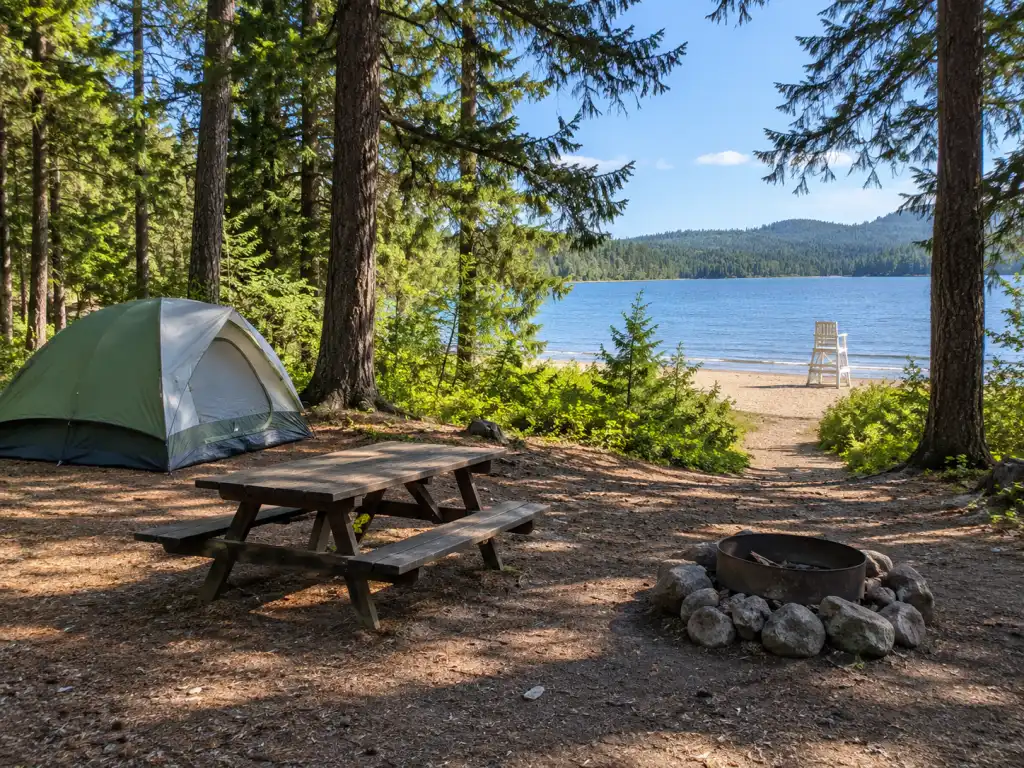
- $46 per night for a tent site
- 2 hours' drive north of Oshawa
- Supervised sandy beach, no pool
- Quiet hours start at 9 p.m.; sites spread out in the forest
Carlow Creek Family RV Park
- $78 per night, tent pad with electricity
- 45 minutes' drive from Oshawa
- Heated outdoor pool and splash pad
- Sites close together; music allowed until 11 p.m.
Your friend’s alternative
Rented Cabin at Brannock Lake
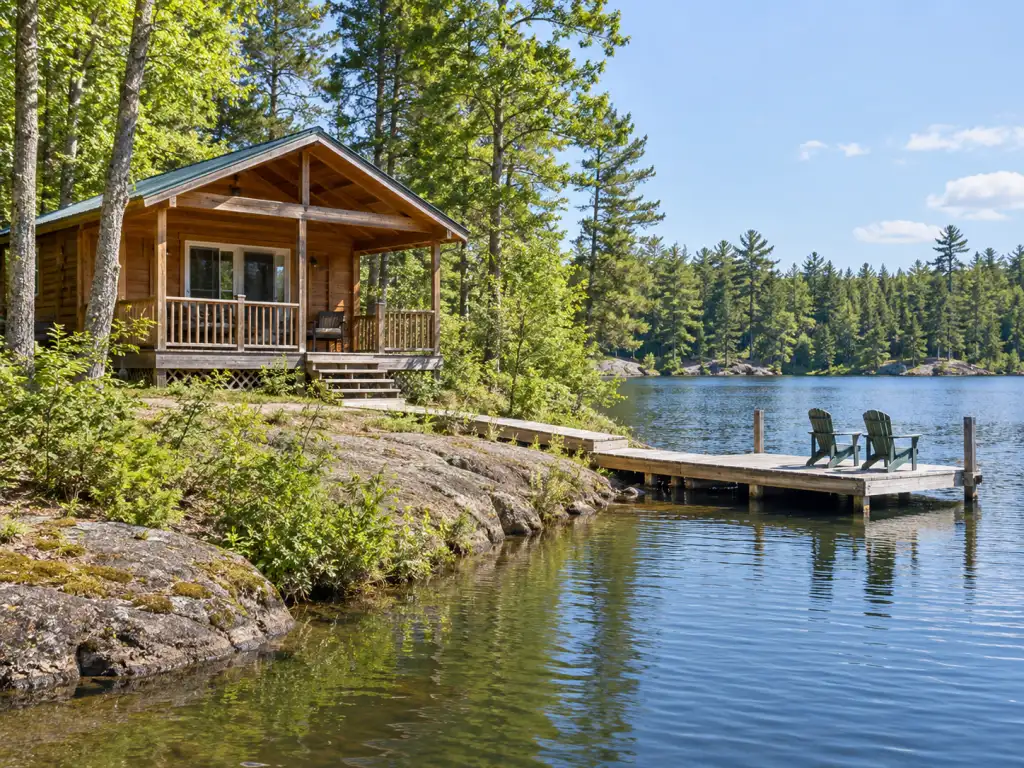
- $165 per night, sleeps six
- 1.5 hours' drive from Oshawa
- Private dock on the lake, no lifeguard
- Beds, kitchen and washroom inside the cabin
Fiona has found a cabin for rent on a lake and thinks it would be much more comfortable than any campground, especially if it rains. Persuade her that the campground you picked is the better choice for this trip.
Model answers
These are transcripts of a model response, provided for comparison with your own recording.
The models choose Hollins Lake Campground before responding to the friend’s alternative.
Level 7 sample answer
140 words
Fiona, I understand. A cabin with real beds and a kitchen is more comfortable, and if it rains we don't have to stay in the tent. But I still want to book Hollins Lake.
The big problem is the money. The cabin is $165 a night, so for two nights it's $330. That's more than our budget of $250. Hollins Lake is only $46 a night, so we save a lot, and we can use the extra for food and the gas.
Also, the kids love swimming. The cabin has a dock but there is no lifeguard, and um, I'd be worried with the six-year-old. Hollins Lake has a supervised beach. And it's quiet after 9 p.m., so the kids can sleep. Yes, the drive is two hours, but it's only a little longer than cabin. What do you say?
Why this answer is at level 7
This level 7 answer makes a clear choice and supports it with relevant points about cost, swimming and bedtime. Compared with the higher levels, its financial comparison is less complete, its vocabulary is simpler, and its phrasing occasionally interrupts the flow.
The cabin is $165 a night, so for two nights it's $330.
— Content/Coherence: The calculation gives Fiona a concrete reason to reconsider the cabin. The higher-level answers strengthen this comparison by also stating Hollins Lake's total cost and explaining the size of the budget difference.so we save a lot, and we can use the extra for food and the gas.
— Vocabulary: The meaning is clear, but “save a lot” is broad and “the gas” sounds slightly awkward here. The higher-level answers describe the savings more precisely and use more natural wording for trip expenses.The cabin has a dock but there is no lifeguard, and um, I'd be worried with the six-year-old.
— Listenability: Mentioning the younger child makes the concern personal and relevant. However, the hesitation and loosely joined clauses make the point less smooth than the higher-level answers, which separate the swimming risk from the supervision advantage.And it's quiet after 9 p.m., so the kids can sleep.
— Task Fulfillment: This directly addresses Fiona's bedtime priority and supports the chosen campground. The higher-level answers weave this benefit into a more developed case about supervision, rest and the extra drive.
Level 9 sample answer
170 words
Fiona, you're right that the cabin sounds like a treat. Beds, a kitchen, a washroom inside, and if we get a rainy weekend, I know which one I'd rather be in. But I think Hollins Lake is still the smarter pick, and here's why.
First off, the cabin simply doesn't fit what we agreed to spend. At $165 a night, two nights comes to $330, which is eighty dollars over our limit. Hollins Lake would cost us $92 in total, leaving plenty for groceries, gas and a few treats for the kids.
More importantly, think about the kids in the water. That private dock looks gorgeous, but there's no lifeguard, so we'd be the only ones watching. At Hollins Lake, the beach is supervised. We'd still watch them closely, but a lifeguard makes a real difference. And with quiet hours at nine, the kids will get some proper sleep.
As for the drive, it's only half an hour longer. If rain is the worry, I'll bring a big tarp. Deal?
Why this answer is at level 9
This level 9 answer develops a persuasive comparison with precise costs, a fair concession about comfort and a responsible explanation of swimming supervision. Compared with level 11, its transitions are more routine, and the brief tarp solution feels less developed than its other arguments.
At $165 a night, two nights comes to $330, which is eighty dollars over our limit.
— Content/Coherence: This connects the calculation directly to the agreed spending limit, making the objection stronger than at level 7. Level 11 develops the comparison further by explicitly stating the savings relative to the cabin.Fiona, you're right that the cabin sounds like a treat.
— Vocabulary: “Sounds like a treat” is natural, conversational language that acknowledges Fiona's preference warmly. Level 11 makes this concession more vivid by describing the discomfort of camping in rain.If rain is the worry, I'll bring a big tarp.
— Listenability: The short sentence is easy to follow and provides a practical response to Fiona's concern. However, it arrives abruptly after the drive comparison; a stronger answer would connect the weather response more smoothly to the earlier acknowledgment of cabin comfort.We'd still watch them closely, but a lifeguard makes a real difference.
— Task Fulfillment: This improves on level 7 by explicitly retaining adult responsibility while explaining the supervised beach's advantage. Level 11 makes the same reasoning more personal and carries it through to the final trade-off about peace of mind.
Level 11 sample answer
185 words
Fiona, I honestly see why the cabin appeals to you. Real beds, a kitchen and a washroom a few steps away, and if the forecast turns, we're not huddled under a dripping tarp at two in the morning. That's a genuine advantage, no question.
That said, I keep coming back to two things. The first is money: at $165 a night, the cabin would run us $330, which blows past the $250 we agreed on, whereas Hollins Lake comes to just $92 for both nights. That's over two hundred dollars less than the cabin, and it leaves room for food, gas, or a rainy-day trip into town.
The second, and frankly the bigger one for me, is the water. With a private dock and no lifeguard, we'd be the only safety net whenever the kids are swimming. At Hollins Lake we'd still keep a close eye on them, of course, but a trained lifeguard would be watching too. And with quiet hours from nine, they'd actually get a proper night's sleep. Yes, it's thirty minutes further, but I'd happily trade that for peace of mind.
Why this answer is at level 11
This level 11 answer combines a generous acknowledgment of Fiona's concerns with a focused argument about money and swimming supervision. Its vivid language, clear prioritization and final trade-off make the choice feel considered and persuasive.
whereas Hollins Lake comes to just $92 for both nights.
— Content/Coherence: The direct contrast places both accommodation costs within the same argument. The following explanation of savings and possible uses gives the figures a clear purpose in the family's decision.we're not huddled under a dripping tarp at two in the morning.
— Vocabulary: This concrete image makes Fiona's concern about rain easy to imagine. It develops the simpler acknowledgment in the other answers and shows that the speaker understands the cabin's practical appeal.The second, and frankly the bigger one for me, is the water.
— Listenability: The signposting makes the argument easy to follow, while the conversational aside establishes a personal priority. It guides the listener from the cost comparison into the swimming concern without sounding like a bare list.Yes, it's thirty minutes further, but I'd happily trade that for peace of mind.
— Task Fulfillment: The ending acknowledges Hollins Lake's travel disadvantage and explains why the speaker accepts it. “Peace of mind” brings the earlier supervision and bedtime arguments together into a clear reason to book the campground.
What moves an answer from 7 to 9 to 11
These are model answers written to show each level. The labels are practice estimates, not examiner scores.
Make your chosen option clear and compare it with the friend’s alternative using the stated facts. Explain how those differences meet your needs and persuade the listener respectfully.
- Content/Coherence: Level 7 models communicate the main ideas; level 9 models develop relevant details with clear connections; level 11 models sustain precise, well-integrated development.
- Vocabulary: Compare adequate everyday wording with more varied, accurate choices at level 9 and flexible, precise expression at level 11.
- Listenability: Higher-level delivery needs clear pronunciation, rhythm, intonation and controlled pauses. Transcripts suggest phrasing and organisation, but cannot demonstrate these audio features; a recording is needed.
- Task Fulfillment: Compare how fully the response addresses the request, develops enough relevant detail and maintains an appropriate tone for the audience within the task limits.
Assess the criteria together. A longer answer or rarer words alone do not establish a higher level.
Answer this question and get your level
More Task 5 questions
- Picking a Restaurant for a Club Anniversary
- Signing Up for a Winter Hobby Class
- Keeping Camping Gear Dry
- Cooling a Shared Apartment
- An Autumn Afternoon Outdoors
- A Quiet Neighbour Welcome
All speaking Task 5 sample questions · Read the Task 5 guide