CELPIP® Speaking Task 5 sample: Cooling a Shared Apartment
Comparing and Persuading · Choose: 60 seconds · Preparation: 60 seconds · Response: 60 seconds · Published
Original practice questions in CELPIP® task formats, created independently by CELPIP Study.
Practice question
You share an Edmonton apartment with your friend Sakura. A two-week heat wave is forecast, and you both study in the 22-square-metre living room during the afternoon. You also value quiet evening conversations. Your combined purchase budget is $320, split equally, and your rental agreement allows removable equipment only. Choose one of these two cooling options.
Portable Air Conditioner
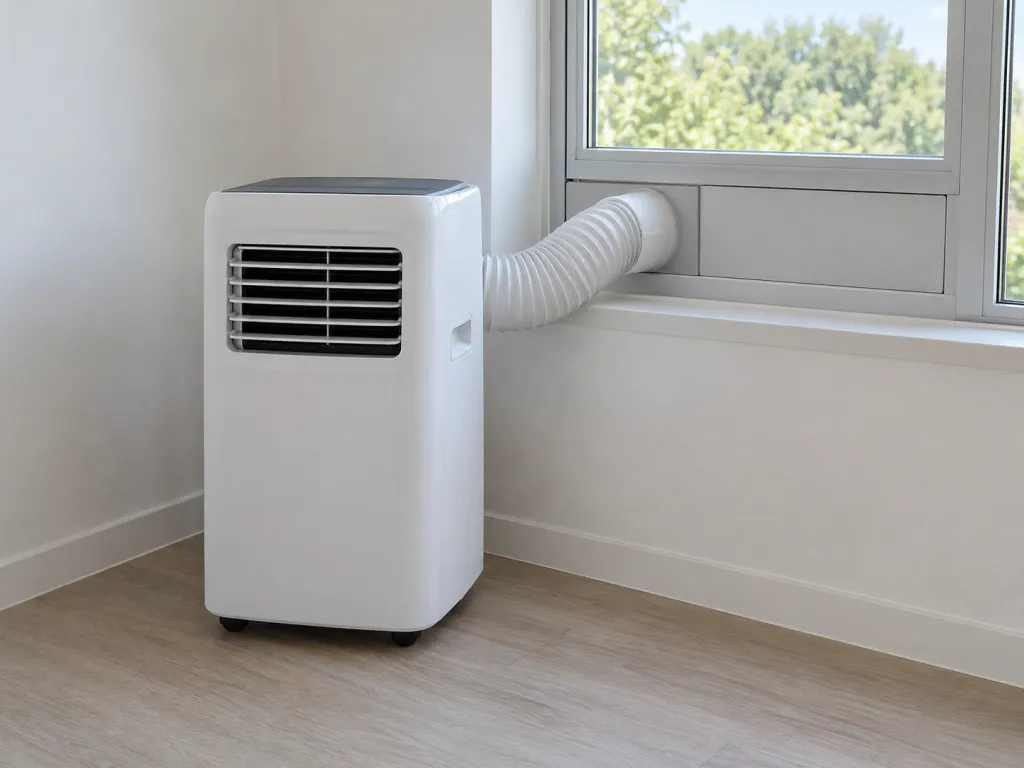
- Purchase price: $310
- Cooling: air conditioning for rooms up to 24 square metres
- Operating noise: 54 dB
- Setup: removable window vent; available today
Window Air Conditioner
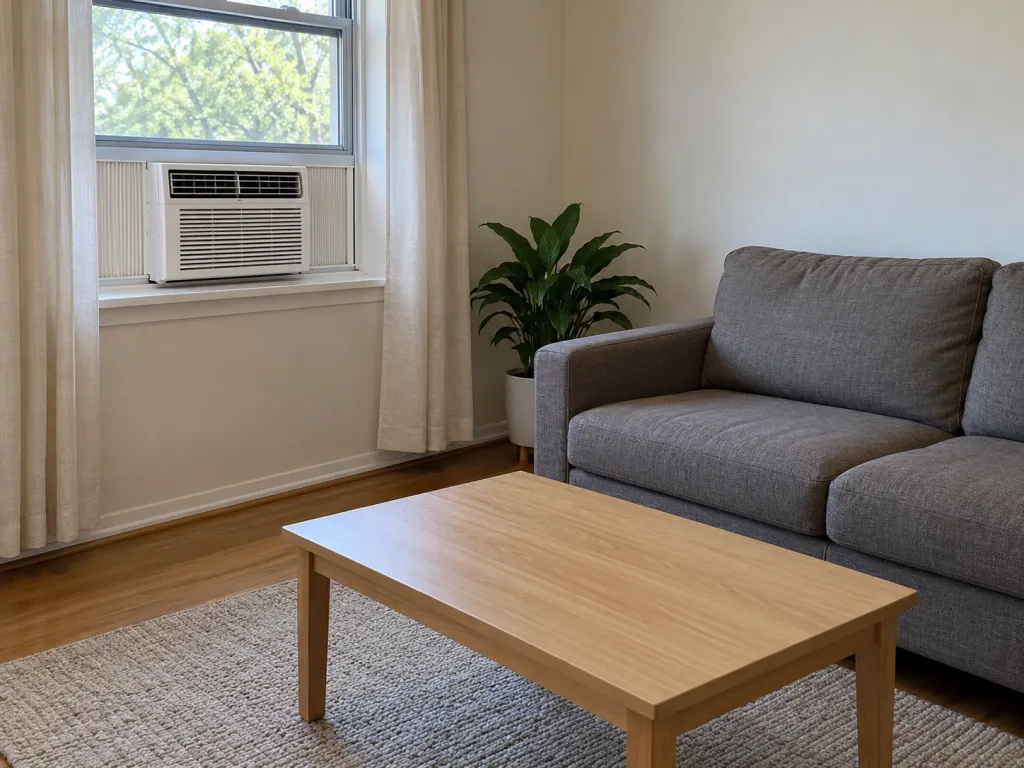
- Purchase price: $240
- Cooling: air conditioning for rooms up to 22 square metres
- Operating noise: 46 dB
- Setup: removable window unit; available tomorrow
Your friend’s alternative
Two Quiet Fans
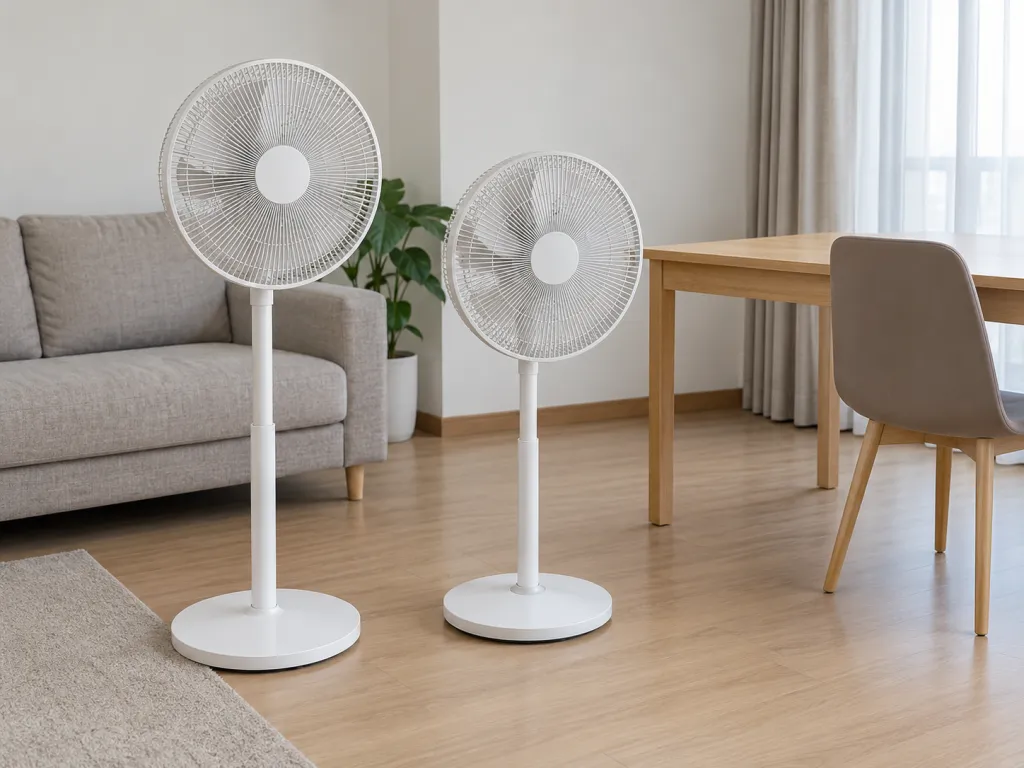
- Purchase price: $110 for both
- Cooling: circulates air without lowering room temperature
- Operating noise: 40 dB
- Setup: freestanding; available today
Sakura suggests Two Quiet Fans because they cost much less and would make conversation easier. Speak to Sakura and persuade her that your original choice better balances your needs during the heat wave.
Model answers
These are transcripts of a model response, provided for comparison with your own recording.
The models choose Portable Air Conditioner before responding to the friend’s alternative.
Level 7 sample answer
119 words
Sakura, I understand why you want the fans. They cost much less, and the fans is quieter than the air conditioner. But, um, I think we need something that actually lowers the temperature. We both study in afternoon, and moving warm air around may not give us what we want. The portable air conditioner can cool up to 24 square metres, so it covers our 22-square-metre room. It's available today, and the vent can be removed, which fits our rental agreement. It costs $310, so we can still afford it. I know the noise is a problem for talking. We could turn it off during some conversations. I'd rather spend more and have proper cooling for our study time.
Why this answer is at level 7
This level 7 answer gives a clear recommendation supported by room size, price, availability, and rental suitability. Compared with level 9, its wording is less precise, its grammar is less controlled, and its proposed compromise needs more explanation.
We could turn it off during some conversations.
— Content/Coherence: This offers a relevant solution to Sakura's concern, but “some conversations” leaves the arrangement vague. A higher-level answer would clearly separate afternoon study hours from quiet evening conversations.moving warm air around may not give us what we want.
— Vocabulary: The everyday wording communicates doubt about the fans, but “what we want” is imprecise. A higher-level answer would identify temperature reduction directly and explain why air circulation does not provide that capability.They cost much less, and the fans is quieter than the air conditioner.
— Listenability: The comparison is easy to understand, but “the fans is” creates a grammatical interruption. The level 9 answer expresses the same concession with correct agreement and smoother phrasing.It costs $310, so we can still afford it.
— Task Fulfillment: This correctly establishes that the portable unit fits the combined budget. A higher-level answer would also explain the equal contribution of $155 each, making the financial commitment clearer to Sakura.
Level 9 sample answer
150 words
Sakura, I agree that the fans are tempting. They're quieter, and buying them would leave much more of our budget untouched. However, I think our afternoon study time should be the deciding factor. The fans move air around without lowering the temperature, while the portable air conditioner would cool the room. When we're trying to concentrate during the heat wave, that difference could really matter. The price is $310, or $155 each, so we can afford it within our agreed limit. We could also get it today, and its removable vent fits our rental agreement. I realize that 54 decibels would be less pleasant for evening conversations than the fans' 40 decibels. We could find a middle ground by running the air conditioner while we study and switching it off when we want a quiet conversation. Let's choose the equipment that offers cooling, then agree on when to use it.
Why this answer is at level 9
This level 9 answer organizes the persuasion around afternoon studying, explains the equal cost split, and proposes a clear operating schedule. Compared with level 11, it develops the financial and practical consequences of that compromise less fully.
However, I think our afternoon study time should be the deciding factor.
— Content/Coherence: This establishes a clear priority that connects the following cooling comparison to their shared routine. The level 11 answer develops that reasoning further by showing that switching equipment off offers quiet, while adjusting fans cannot lower room temperature.They're quieter, and buying them would leave much more of our budget untouched.
— Vocabulary: “Leave much more of our budget untouched” naturally expresses the fans' financial advantage. A higher-level answer would sharpen this concession by comparing each person's contribution and describing the extra expense more precisely.The price is $310, or $155 each, so we can afford it within our agreed limit.
— Listenability: The sentence presents the total price, individual contribution, and conclusion in an easy sequence. Compared with level 7, the phrasing is more controlled; level 11 combines similarly clear financial reasoning with more varied sentence structures.I realize that 54 decibels would be less pleasant for evening conversations than the fans' 40 decibels.
— Task Fulfillment: This addresses Sakura's specific concern using the supplied noise figures. The proposed study-and-conversation schedule strengthens the response, but a higher-level answer would also acknowledge that switching the unit off could let the room warm up again.
Level 11 sample answer
172 words
Sakura, paying $110 for quieter equipment is appealing, especially when we both value our evening conversations. The catch is that we'd be saving money without buying the one capability our afternoon routine calls for: lowering the room temperature. Air circulation may feel pleasant, but it isn't interchangeable with air conditioning. The portable unit is rated for 24 square metres, which covers our 22-square-metre study space, and its removable vent satisfies the rental restriction. At $310, we'd each contribute $155 rather than $55 for the fans: a substantial premium, but still within the ceiling we agreed on. I wouldn't gloss over the 54-decibel noise level. Instead, let's make a deliberate distinction between study hours, when cooling takes priority, and conversations, when we can switch it off and accept that the room might warm up again. That flexibility tips the balance for me. We can choose quiet by stopping the air conditioner; we can't choose actual temperature reduction by adjusting the fans. Let's get the portable unit today and agree on its operating times.
Why this answer is at level 11
This level 11 answer builds a persuasive case by distinguishing air circulation from temperature reduction and weighing the extra expense against their study needs. Precise language, varied sentence structures, and an honest explanation of the quiet-time compromise make its reasoning especially strong.
We can choose quiet by stopping the air conditioner; we can't choose actual temperature reduction by adjusting the fans.
— Content/Coherence: This parallel comparison brings the argument together. It explains why the portable unit offers a useful choice between cooling and quiet, while the fans cannot provide the temperature reduction needed for afternoon studying.a substantial premium, but still within the ceiling we agreed on.
— Vocabulary: “Substantial premium” acknowledges the extra expense, while “ceiling” precisely expresses their spending limit. These choices make the financial argument concise without minimizing Sakura's concern about cost.I wouldn't gloss over the 54-decibel noise level.
— Listenability: This short, direct sentence gives the reader a clear pause after the detailed financial comparison. It also signals the move to Sakura's noise concern before the longer explanation of operating times.when we can switch it off and accept that the room might warm up again.
— Task Fulfillment: This makes the proposed compromise realistic: quiet conversations require temporarily giving up active cooling. Acknowledging that consequence strengthens the recommendation because Sakura can understand exactly what their operating agreement would involve.
What moves an answer from 7 to 9 to 11
These are model answers written to show each level. The labels are practice estimates, not examiner scores.
Make your chosen option clear and compare it with the friend’s alternative using the stated facts. Explain how those differences meet your needs and persuade the listener respectfully.
- Content/Coherence: Level 7 models communicate the main ideas; level 9 models develop relevant details with clear connections; level 11 models sustain precise, well-integrated development.
- Vocabulary: Compare adequate everyday wording with more varied, accurate choices at level 9 and flexible, precise expression at level 11.
- Listenability: Higher-level delivery needs clear pronunciation, rhythm, intonation and controlled pauses. Transcripts suggest phrasing and organisation, but cannot demonstrate these audio features; a recording is needed.
- Task Fulfillment: Compare how fully the response addresses the request, develops enough relevant detail and maintains an appropriate tone for the audience within the task limits.
Assess the criteria together. A longer answer or rarer words alone do not establish a higher level.
Answer this question and get your level
More Task 5 questions
- An Autumn Afternoon Outdoors
- A Quiet Neighbour Welcome
- Visitor Parking That Works
- Sharing Winter Lane Clearing
- Space for Neighbours' Dogs
- Borrowing Tools After Work
All speaking Task 5 sample questions · Read the Task 5 guide