CELPIP® Speaking Task 5 sample: Visitor Parking That Works
Comparing and Persuading · Choose: 60 seconds · Preparation: 60 seconds · Response: 60 seconds · Published
Original practice questions in CELPIP® task formats, created independently by CELPIP Study.
Practice question
You are helping six households in your condo building in London, Ontario, choose visitor parking for a three-month trial. The total budget is $600. Weekend daytime visits are common, and some visitors have difficulty walking long distances. Compare the two arrangements and choose the one you would support.
Reserved Parking Pair
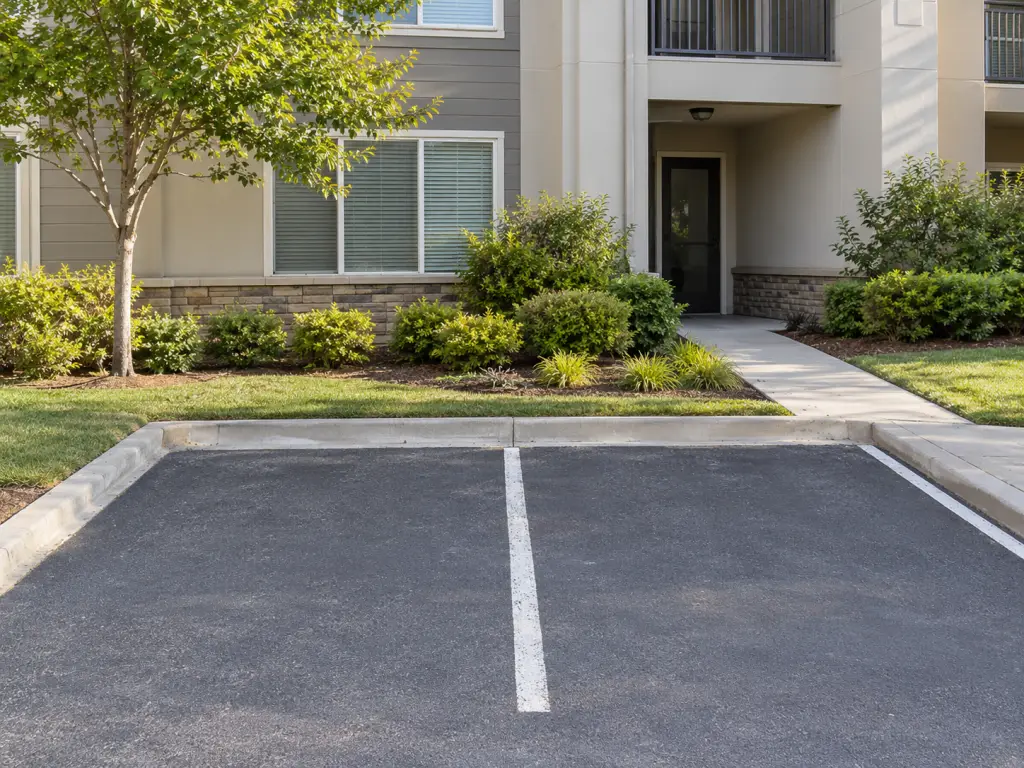
- Costs $540 for three months
- Two reserved visitor spaces
- 40 m from building entrance
- Access all day, every day
Four-Space Parking Package
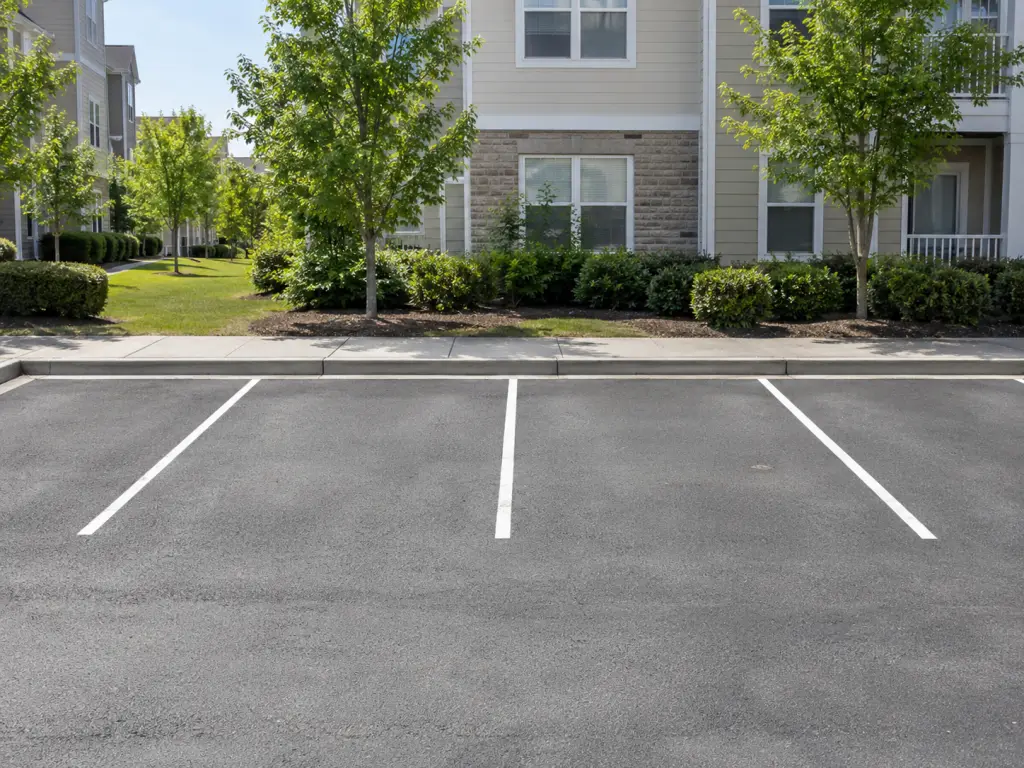
- Costs $360 for three months
- Four reserved visitor spaces
- 350 m from building entrance
- Access all day, every day
Your friend’s alternative
Shared Evening Spaces
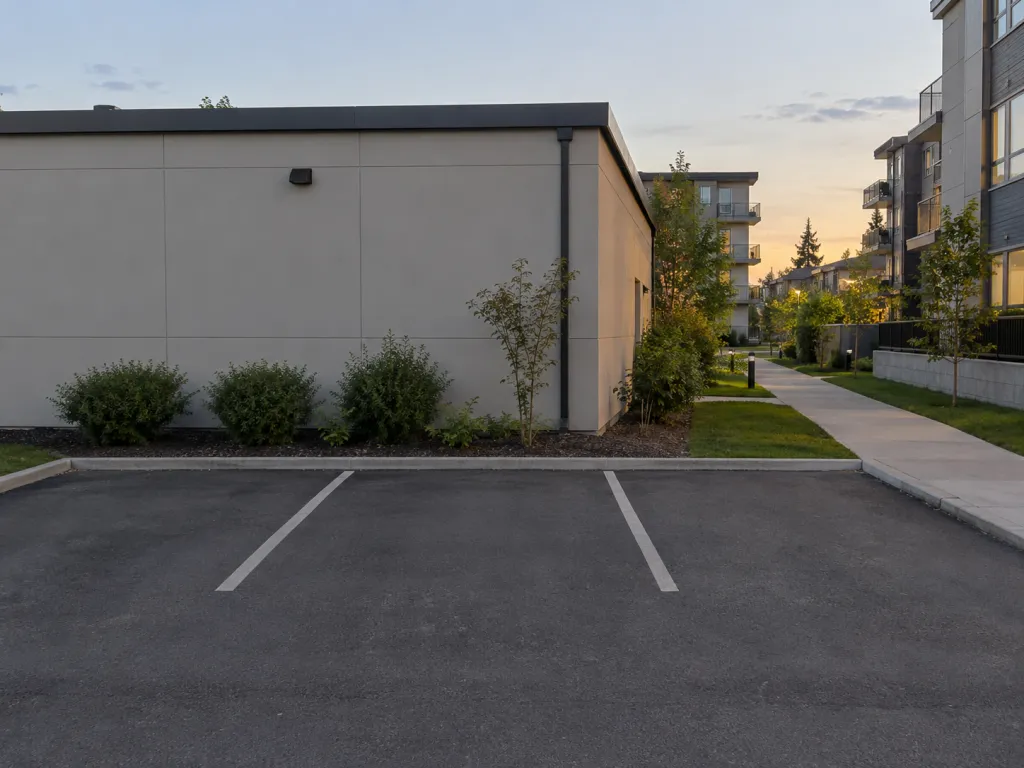
- Costs $420 for three months
- Three reserved visitor spaces
- 120 m from building entrance
- Access after 6 p.m., Friday through Sunday
Your friend Rajveer, who lives in the building, favours the Shared Evening Spaces for their price and capacity. Persuade Rajveer that your selected arrangement would better meet the households' visitor-parking needs during the trial.
Model answers
These are transcripts of a model response, provided for comparison with your own recording.
The models choose Reserved Parking Pair before responding to the friend’s alternative.
Level 7 sample answer
122 words
Rajveer, I agree that getting three spaces for $420 sounds good. But I think we should choose the Reserved Parking Pair. It costs $540, so we're still below our $600 limit. The biggest reason is the time. Our visitors often come during the day on weekends, and your spaces aren't available until six. Um, that means people couldn't use them for an afternoon visit. Also, some visitors has difficulty walking, so the spaces only 40 metres away would help. Two spaces are less than three, but they give us a access whenever someone comes. We might still need to discuss busy times with the households. For this trial, I think useful hours and a shorter walk matter more than one extra space.
Why this answer is at level 7
This level 7 answer gives a clear choice and relevant reasons about daytime access, walking distance and budget. Compared with the higher-level answers, its language is simpler, grammatical slips reduce smoothness, and its response to limited capacity remains vague.
We might still need to discuss busy times with the households.
— Content/Coherence: This acknowledges the problem of sharing limited spaces, but does not explain what the discussion would achieve. A higher-level answer would connect the trial to a clearer way of assessing whether capacity meets demand.For this trial, I think useful hours and a shorter walk matter more than one extra space.
— Vocabulary: The wording communicates the priorities clearly, but expressions such as “useful hours” are broad. The higher-level answers describe availability and competing visitor needs more precisely.Two spaces are less than three, but they give us a access whenever someone comes.
— Listenability: The comparison is easy to follow, but “a access” disrupts the natural phrasing, and “fewer” would fit spaces better than “less.” Higher-level answers express this trade-off with greater grammatical control.Our visitors often come during the day on weekends, and your spaces aren't available until six.
— Task Fulfillment: This directly challenges Rajveer's choice using the households' stated visiting pattern. A higher-level answer would develop the persuasion further by balancing this access problem against Rajveer's specific price and capacity advantages.
Level 9 sample answer
154 words
Rajveer, I see why you prefer the evening spaces: we'd save $120 and gain another parking spot. However, I'd support the Reserved Parking Pair because the access hours fit the visits we're actually trying to accommodate. Weekend daytime visits are common, so spaces that only become available after six would leave a large part of that need unanswered. Imagine someone arriving for an afternoon visit; those three spaces wouldn't help, however attractive the price looked. Our two spaces would be available all day, every day. They're also just 40 metres from the entrance, compared with 120 metres for your suggestion. For someone who finds walking difficult, that shorter distance could make a real difference. I admit two spaces might be a tight squeeze when several households have visitors together. Still, $540 stays within our $600 budget, and the three-month trial lets us judge whether two accessible spaces are enough. Could we try that arrangement?
Why this answer is at level 9
This level 9 answer develops a persuasive comparison through an example, clear concessions and natural language. It is more controlled and detailed than the level 7 answer, while the level 11 answer adds sharper distance comparisons and a concrete plan for evaluating capacity during the trial.
the three-month trial lets us judge whether two accessible spaces are enough.
— Content/Coherence: This connects the temporary arrangement to the unresolved capacity concern. However, it leaves the assessment method unstated; the higher-level answer specifies what occupancy and unmet demand information to collect.I admit two spaces might be a tight squeeze when several households have visitors together.
— Vocabulary: “A tight squeeze” is a natural expression that makes the capacity concern easy to understand. The higher-level answer uses more precise language about overlapping demand and turns that concern into a practical evaluation plan.Imagine someone arriving for an afternoon visit; those three spaces wouldn't help, however attractive the price looked.
— Listenability: The invitation to imagine a visit makes the reasoning easy to follow, and the sentence smoothly connects the example to price. The higher-level answer makes the scenario more concrete with a specific arrival time.Rajveer, I see why you prefer the evening spaces: we'd save $120 and gain another parking spot.
— Task Fulfillment: This addresses Rajveer directly and accurately recognizes both reasons for his preference. The higher-level answer sustains that balanced persuasion by explaining how the trial could test the selected arrangement's main weakness.
Level 11 sample answer
172 words
Rajveer, your proposal gives us more capacity for less money, so I wouldn't dismiss it. Three spaces at $420 is attractive. My concern is that their availability misses the main reason we're arranging parking: weekend daytime visits. If someone comes at two on Saturday, an evening-only space has no practical value for that visit. The Reserved Parking Pair costs $120 more, but its round-the-clock access would cover those afternoons as well as evening visits. The distance matters too. Forty metres is one-third of the 120-metre walk from your proposed spaces, which is a meaningful improvement for visitors who have difficulty walking. We'd still be $60 below our total budget. The compromise is capacity: two spaces won't accommodate every possible overlap among six households. Rather than assume that makes the arrangement inadequate, though, I'd use the three-month trial to track when both spaces are occupied and whether visitors are turned away. That would give us evidence for the next decision. Would you support starting with the option that addresses our known access needs?
Why this answer is at level 11
This level 11 answer combines precise comparisons, balanced persuasion and a practical response to uncertainty. It explains why daytime access and a shorter walk outweigh the alternative's savings and capacity, then proposes collecting evidence during the trial.
I'd use the three-month trial to track when both spaces are occupied and whether visitors are turned away.
— Content/Coherence: This turns the capacity objection into a concrete evaluation plan. Tracking occupancy and visitors turned away directly addresses whether the selected arrangement can serve the households adequately.The compromise is capacity: two spaces won't accommodate every possible overlap among six households.
— Vocabulary: “Compromise,” “capacity” and “overlap” express the limitation precisely and economically. The wording shows how simultaneous visits could create pressure without claiming that the arrangement will necessarily fail.If someone comes at two on Saturday, an evening-only space has no practical value for that visit.
— Listenability: The concrete arrival time makes the access restriction immediately understandable. The direct conditional sentence delivers the central objection clearly without requiring the listener to work through a complicated explanation.Forty metres is one-third of the 120-metre walk from your proposed spaces
— Task Fulfillment: This accurately compares the walking distances and supports the needs of visitors who have difficulty walking. Alongside the discussion of access, budget and capacity, it makes the recommendation closely responsive to the prompt.
What moves an answer from 7 to 9 to 11
These are model answers written to show each level. The labels are practice estimates, not examiner scores.
Make your chosen option clear and compare it with the friend’s alternative using the stated facts. Explain how those differences meet your needs and persuade the listener respectfully.
- Content/Coherence: Level 7 models communicate the main ideas; level 9 models develop relevant details with clear connections; level 11 models sustain precise, well-integrated development.
- Vocabulary: Compare adequate everyday wording with more varied, accurate choices at level 9 and flexible, precise expression at level 11.
- Listenability: Higher-level delivery needs clear pronunciation, rhythm, intonation and controlled pauses. Transcripts suggest phrasing and organisation, but cannot demonstrate these audio features; a recording is needed.
- Task Fulfillment: Compare how fully the response addresses the request, develops enough relevant detail and maintains an appropriate tone for the audience within the task limits.
Assess the criteria together. A longer answer or rarer words alone do not establish a higher level.
Answer this question and get your level
More Task 5 questions
- Sharing Winter Lane Clearing
- Space for Neighbours' Dogs
- Borrowing Tools After Work
- A Birthday Tribute From Everyone
- Room for Visiting Relatives
- Childcare at a Family Gathering
All speaking Task 5 sample questions · Read the Task 5 guide