CELPIP® Speaking Task 5 sample: An Autumn Afternoon Outdoors
Comparing and Persuading · Choose: 60 seconds · Preparation: 60 seconds · Response: 60 seconds · Published
Original practice questions in CELPIP® task formats, created independently by CELPIP Study.
Practice question
You are arranging an autumn outing in Kamloops for yourself and three friends, including Oksana. Everyone is free from 1–4 p.m. and can spend up to $35 each. You want to experience fall colours outdoors, but one of your other friends prefers very little walking, and light rain is possible. Select one of the two outings.
Hillside Colour Walk
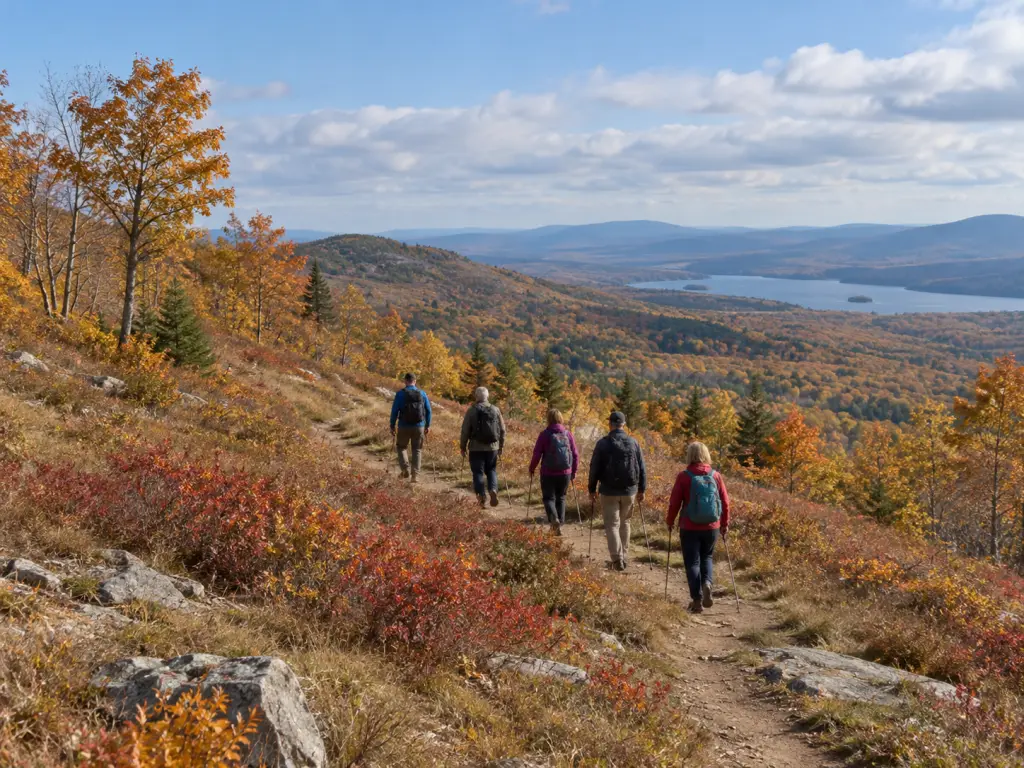
- Price: $20 per person
- Required walking: 3 km
- Schedule: 1–2:30 p.m.
- Weather protection: uncovered trail
Orchard Wagon Tour
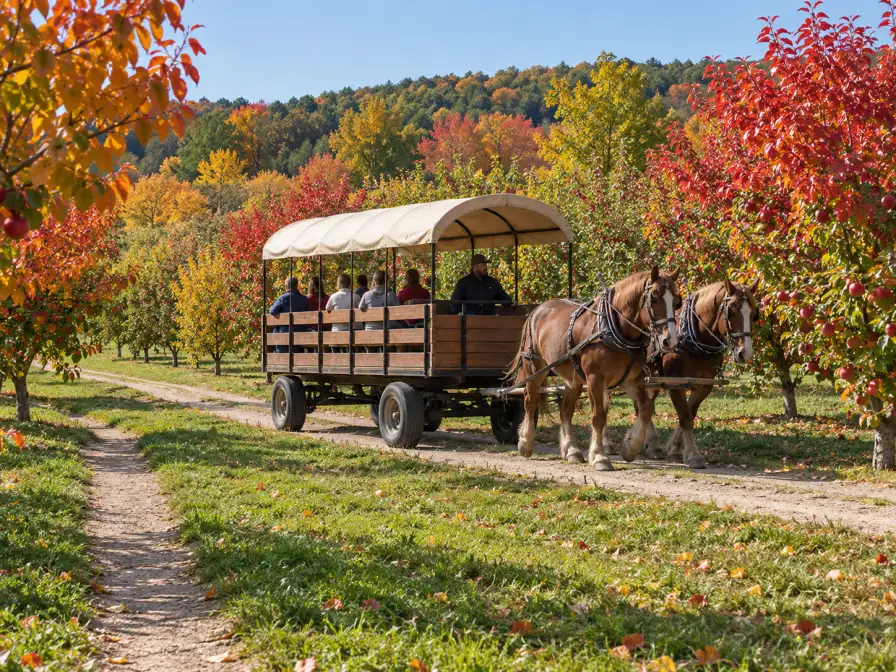
- Price: $32 per person
- Required walking: 500 m
- Schedule: 1:30–3:30 p.m.
- Weather protection: covered wagon with short outdoor stops
Your friend’s alternative
Indoor Autumn Photo Exhibit
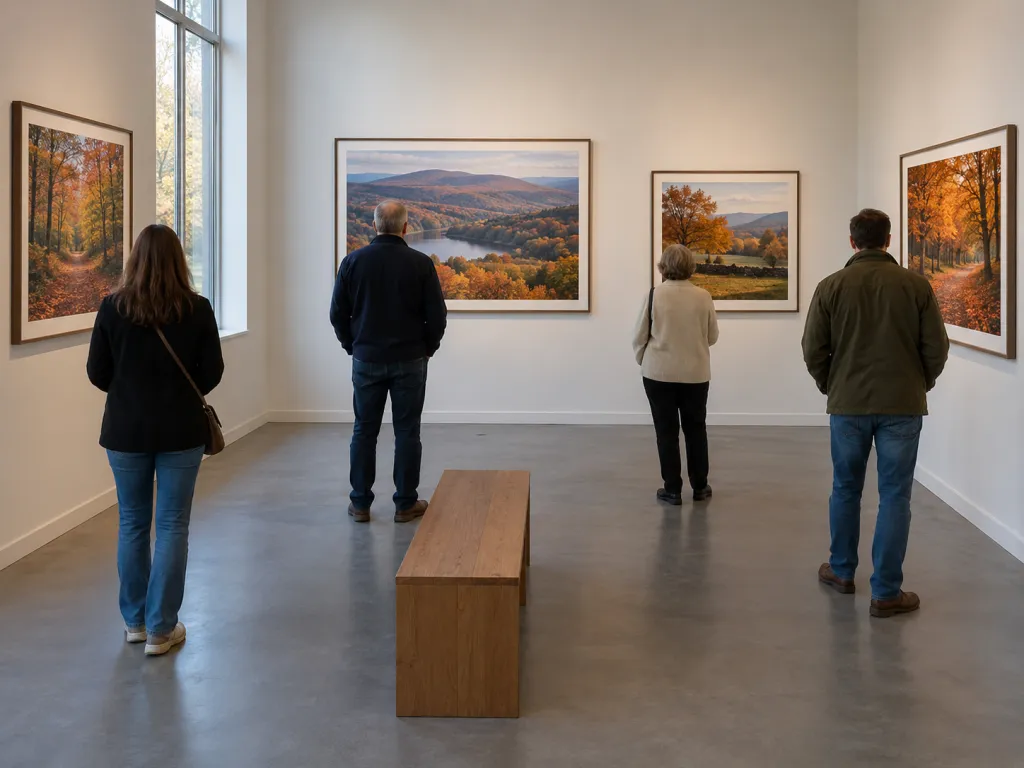
- Price: $18 per person
- Required walking: 200 m
- Schedule: 1–2 p.m.
- Weather protection: entirely indoors
Oksana proposes the Indoor Autumn Photo Exhibit because it avoids the rain and requires less walking. Talk to Oksana and explain why your chosen outing would be a better experience for the group.
Model answers
These are transcripts of a model response, provided for comparison with your own recording.
The models choose Orchard Wagon Tour before responding to the friend’s alternative.
Level 7 sample answer
119 words
Oksana, the exhibit look interesting, and I understand why being indoors sounds easier. Nobody would have to think about rain. But I'd prefer the orchard wagon tour because we wanted to see the fall colours outside. Um, we'd spend time in a covered wagon, so we would still have some protection. There is only half kilometre of walking, which is much less than the hillside walk. It costs $32 each, so it's within everyone's budget. The tour finishes at 3:30, before we need to leave at four. I know the exhibit is cheaper and has less walking. Still, the wagon gives us outdoor scenery without a long walk. Could we choose that and plan for the short stops outside?
Why this answer is at level 7
This level 7 model clearly recommends the wagon and covers the outdoor goal, budget, timing, and rain concern. Basic phrasing, grammatical slips, and limited comparison with Oksana's exhibit keep it below the more precise and connected level 9 model.
I know the exhibit is cheaper and has less walking.
— Content/Coherence: This acknowledges the exhibit's advantages, but leaves the trade-off broad. The higher model explains the actual differences in cost and walking distance and connects them more clearly to the group's constraints.Still, the wagon gives us outdoor scenery without a long walk.
— Vocabulary: The simple wording communicates the wagon's main benefit clearly. The higher model uses more precise language to explain how the wagon balances outdoor enjoyment, walking requirements, and weather protection.Oksana, the exhibit look interesting, and I understand why being indoors sounds easier.
— Listenability: Addressing Oksana directly creates a friendly opening, but the subject and verb do not agree in the opening clause. The higher model uses smoother grammar, making its acknowledgement easier to follow.There is only half kilometre of walking, which is much less than the hillside walk.
— Task Fulfillment: The walking distance supports the choice, but the comparison focuses on the hillside walk instead of Oksana's exhibit. Calling the distance small also assumes it suits the friend. The higher model compares it with the exhibit and checks the friend's comfort.
Level 9 sample answer
153 words
Oksana, I can see why the exhibit appeals to you. It's entirely indoors, costs only $18, and involves just 200 metres of walking. That's an easy afternoon to organize. However, the reason we started planning this outing was to experience the fall colours outdoors. Looking at photographs would be enjoyable, but it wouldn't quite meet that goal. The orchard tour gives us a useful middle ground: a covered wagon for protection and 500 metres of required walking. That's 300 metres more than the exhibit, so we'd need to check that our friend is comfortable with it. At $32 each, it's $14 more expensive, but still below everyone's $35 limit. Its 1:30 to 3:30 schedule also fits comfortably within our free time. We'd need to prepare for the short outdoor stops if light rain arrives. Even so, I think it balances the weather concern with the experience we wanted. Let's go with the wagon.
Why this answer is at level 9
This level 9 model builds a clear, balanced comparison using the actual cost and walking differences while keeping the outdoor goal central. Its reasoning is more developed than the level 7 model, but its final recommendation does not preserve the walking condition as carefully as the level 11 model.
That's 300 metres more than the exhibit, so we'd need to check that our friend is comfortable with it.
— Content/Coherence: The answer turns a numerical difference into a relevant concern for the group. This develops the comparison beyond the level 7 model. The higher model carries that concern through to an explicitly conditional booking decision.The orchard tour gives us a useful middle ground:
— Vocabulary: The phrase naturally describes a compromise between outdoor scenery and practical comfort. The higher model adds more nuanced language about why even the extra walking could determine whether the outing works for everyone.At $32 each, it's $14 more expensive, but still below everyone's $35 limit.
— Listenability: The sentence presents price, difference, and affordability in an easy sequence. Its controlled structure makes the comparison clear. The higher model adds a more conversational judgement about the significance of that extra cost.Let's go with the wagon.
— Task Fulfillment: The closing clearly asks Oksana to accept the chosen outing. However, it sounds settled despite the earlier need to check the friend's walking comfort. The higher model makes agreement on the walking distance a condition of booking.
Level 11 sample answer
172 words
Oksana, your exhibit suggestion takes both the weather and our friend's preference seriously. I can see why you'd favour it. I'd still choose the orchard tour, provided we confirm that 500 metres is manageable. An additional 300 metres may sound modest to us, but it could be the tipping point for someone who wants very little walking; I wouldn't brush that aside. With that settled, the wagon offers a compromise that preserves our original purpose: experiencing autumn outdoors. Its cover provides shelter while we're riding, although the short outdoor stops mean we'd still need to prepare for possible light rain. The exhibit removes that uncertainty, but photographs would give us a different experience from being among the trees. We'd pay $32 rather than $18 each, a meaningful difference that nevertheless keeps everyone within the $35 limit. The 1:30 to 3:30 schedule also leaves a half-hour cushion before we're unavailable. Let's check the walking distance with our friend and, if everyone's comfortable, book the wagon. That would keep the whole group on board.
Why this answer is at level 11
This level 11 model combines persuasive comparison with careful attention to the whole group's needs. Precise vocabulary, controlled sentences, and a conditional closing make the recommendation convincing while acknowledging the wagon's real limits.
The exhibit removes that uncertainty, but photographs would give us a different experience from being among the trees.
— Content/Coherence: This connects the weather discussion directly to the outing's purpose. It fairly recognizes the exhibit's advantage while explaining why the wagon better delivers the outdoor experience the group originally wanted.it could be the tipping point for someone who wants very little walking
— Vocabulary: The expression precisely conveys how the additional walking could determine the friend's decision. It adds nuance without treating the friend's preference as trivial or inventing a medical limitation.Its cover provides shelter while we're riding, although the short outdoor stops mean we'd still need to prepare for possible light rain.
— Listenability: The sentence smoothly links protection with its limitation. Clear references to riding and outdoor stops make the weather reasoning easy to follow, while the varied sentence structure supports a natural spoken explanation.Let's check the walking distance with our friend and, if everyone's comfortable, book the wagon.
— Task Fulfillment: The closing turns the comparison into a practical group decision. It maintains the wagon recommendation while making booking depend on the unresolved walking concern, giving Oksana a clear and considerate next step.
What moves an answer from 7 to 9 to 11
These are model answers written to show each level. The labels are practice estimates, not examiner scores.
Make your chosen option clear and compare it with the friend’s alternative using the stated facts. Explain how those differences meet your needs and persuade the listener respectfully.
- Content/Coherence: Level 7 models communicate the main ideas; level 9 models develop relevant details with clear connections; level 11 models sustain precise, well-integrated development.
- Vocabulary: Compare adequate everyday wording with more varied, accurate choices at level 9 and flexible, precise expression at level 11.
- Listenability: Higher-level delivery needs clear pronunciation, rhythm, intonation and controlled pauses. Transcripts suggest phrasing and organisation, but cannot demonstrate these audio features; a recording is needed.
- Task Fulfillment: Compare how fully the response addresses the request, develops enough relevant detail and maintains an appropriate tone for the audience within the task limits.
Assess the criteria together. A longer answer or rarer words alone do not establish a higher level.
Answer this question and get your level
More Task 5 questions
- A Quiet Neighbour Welcome
- Visitor Parking That Works
- Sharing Winter Lane Clearing
- Space for Neighbours' Dogs
- Borrowing Tools After Work
- A Birthday Tribute From Everyone
All speaking Task 5 sample questions · Read the Task 5 guide