CELPIP® Speaking Task 5 sample: An Activity Across Generations
Comparing and Persuading · Choose: 60 seconds · Preparation: 60 seconds · Response: 60 seconds · Published
Original practice questions in CELPIP® task formats, created independently by CELPIP Study.
Practice question
You're planning a two-and-a-half-hour family gathering at your home in Cornwall. Twelve relatives, aged nine to 75, will attend. You have $150 for an activity and want everyone involved while leaving at least 30 minutes for conversation. Some relatives enjoy competition; others prefer working together. Pick one of these two activities for the gathering.
Tabletop Puzzle Bundle
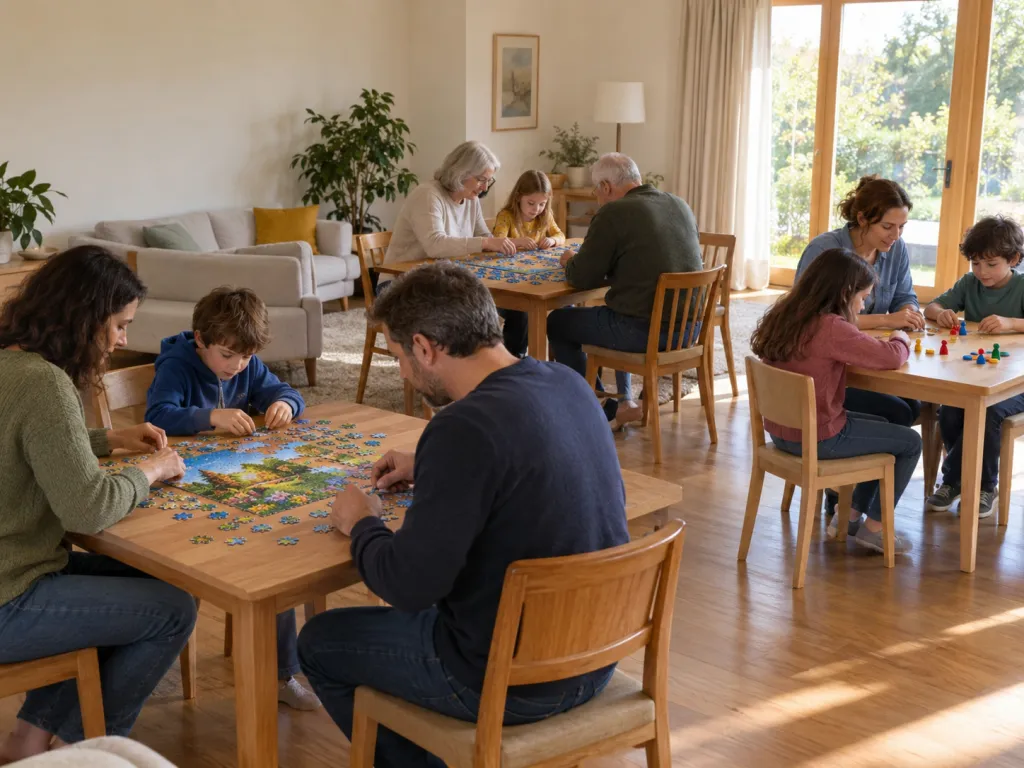
- $110 total
- 90-minute activity
- Three mixed-age teams of four
- Cooperative picture puzzles; unlimited hints
Family Baking Kit
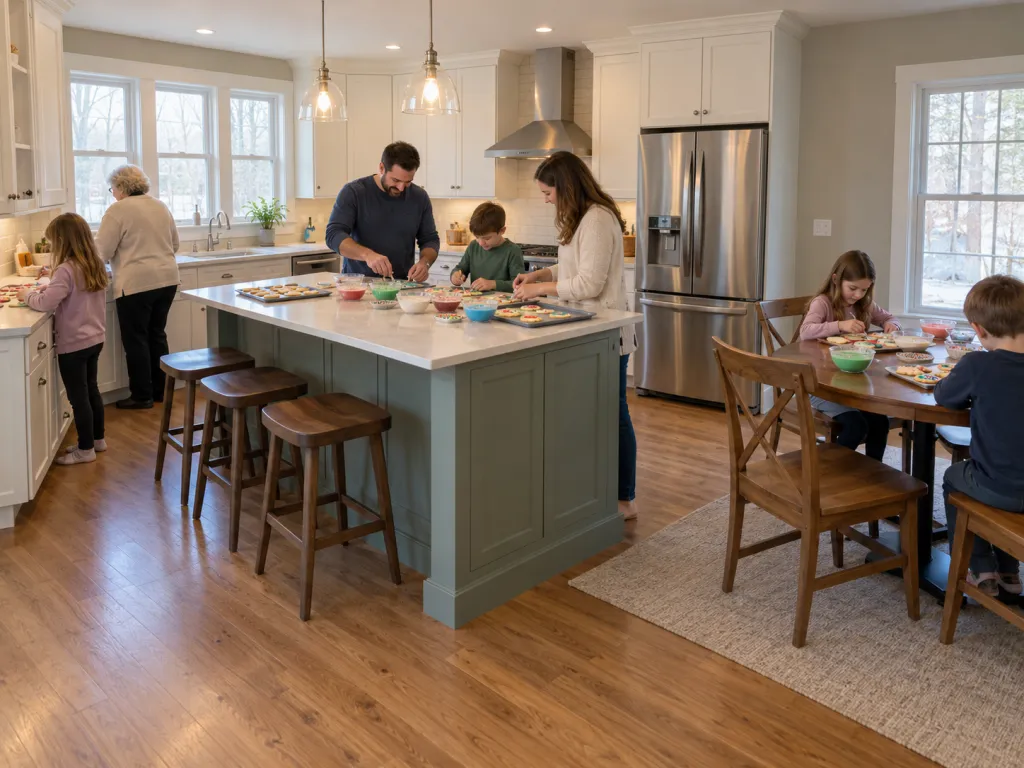
- $85 total
- 120-minute activity
- Three mixed-age groups of four
- Ingredients and tools for 36 cookies
Your friend’s alternative
Hosted Family Trivia
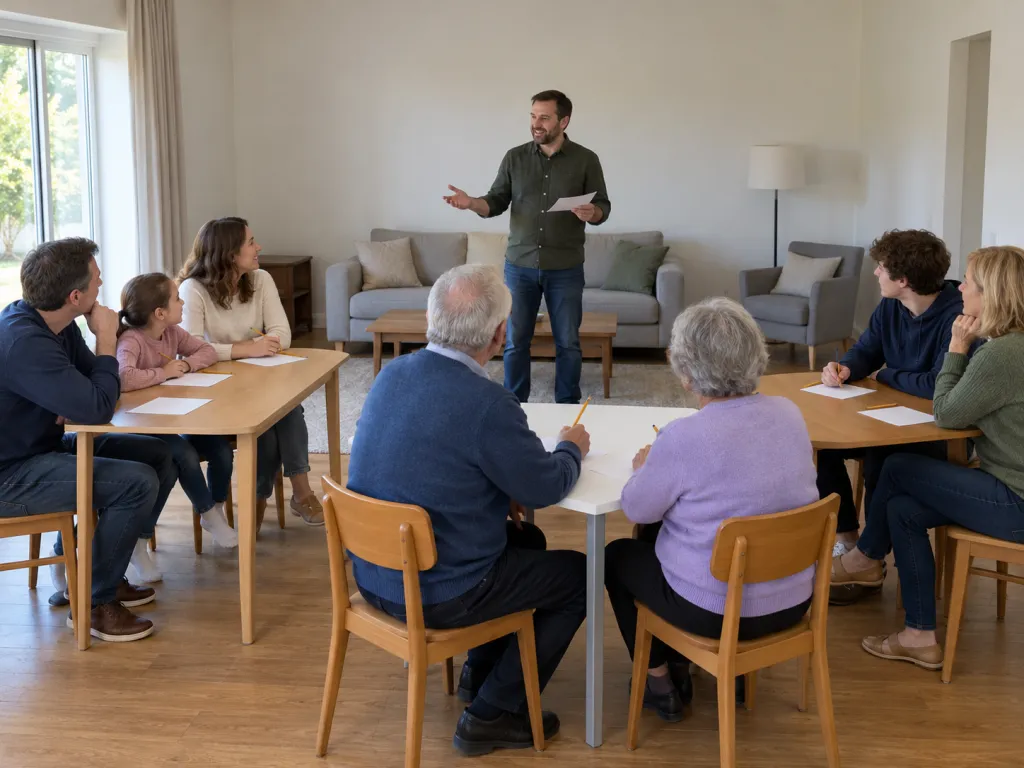
- $150 total
- 60-minute activity
- Three mixed-age teams of four
- Host provides age-adjusted questions
Your mother, Bridget, suggests Hosted Family Trivia instead. She likes having a host and questions suited to different ages. Persuade her that the activity you selected would be a better fit for this gathering, while acknowledging the advantages she sees.
Model answers
These are transcripts of a model response, provided for comparison with your own recording.
The models choose Tabletop Puzzle Bundle before responding to the friend’s alternative.
Level 7 sample answer
123 words
Mom, having a trivia host would make things easier, and questions for different ages sound useful. But I'd choose the Tabletop Puzzle Bundle. Everybody have a chance to help their team, and the picture puzzles mean we can work things out together. Some relatives don't enjoy competition, so I think a cooperative activity would suit them better. There are unlimited hints too, which could help if a team gets stuck. Um, the puzzles take ninety minutes. That still gives us a full hour for talk during the gathering. Trivia leaves more time, but it also costs the whole $150. The puzzles are $110, so we'd save $40 and still include all twelve people. Could we choose the puzzle bundle for our family afternoon?
Why this answer is at level 7
This level 7 answer makes a clear choice and supports it with relevant details about cooperation, time and cost. Its reasoning is straightforward, while an agreement error, awkward phrasing and a less balanced comparison limit its polish compared with the higher-level answers.
Some relatives don't enjoy competition, so I think a cooperative activity would suit them better.
— Content/Coherence: This connects the choice directly to relatives' preferences. However, it makes the distinction between puzzles and trivia fairly simple; the higher-level answers acknowledge that trivia teammates can cooperate too before explaining the advantage of puzzles.That still gives us a full hour for talk during the gathering.
— Vocabulary: The time benefit is understandable, but 'for talk' sounds awkward here. The higher-level answers use the more natural 'for conversation' and express the scheduling benefit more smoothly.Everybody have a chance to help their team
— Listenability: The meaning is easy to follow, but 'Everybody have' contains an agreement error that interrupts the otherwise conversational phrasing. A higher-level answer would maintain grammatical control while explaining how people can contribute.The puzzles are $110, so we'd save $40 and still include all twelve people.
— Task Fulfillment: This accurately compares costs and confirms that the chosen activity accommodates everyone. A higher-level answer would integrate these practical benefits into a clearer overall judgment about what the family gains and what it gives up.
Level 9 sample answer
161 words
Mom, I like the idea of someone else hosting, and age-adjusted questions would help include both the children and older relatives. Still, I'd go with the Tabletop Puzzle Bundle because it suits the different personalities coming. We know some people enjoy competition while others would rather cooperate. Trivia teammates would cooperate too, of course. But working through picture puzzles gives each group a shared problem to solve, without making the whole afternoon depend on who knows the most answers. The mixed-age teams of four would also let relatives help each other. If a puzzle becomes frustrating, unlimited hints mean a group has a way to keep moving. Timing works too: ninety minutes of puzzles would leave an hour for conversation, which is twice the minimum we wanted. Trivia would leave even more time, but it costs the full $150 compared with $110 for the puzzles. For this group, I think cooperation is worth making room for. Would you support that choice?
Why this answer is at level 9
This level 9 answer develops a balanced argument, acknowledges cooperation within trivia teams and explains how the puzzles meet the family's practical needs. Compared with the level 11 answer, it repeats the cooperation theme more and leaves the loss of a host less explicitly weighed.
without making the whole afternoon depend on who knows the most answers.
— Content/Coherence: This develops a meaningful distinction between solving pictures together and recalling trivia answers. However, 'the whole afternoon' slightly overstates trivia's role within the gathering. The top answer makes this comparison more precisely and without that exaggeration.If a puzzle becomes frustrating, unlimited hints mean a group has a way to keep moving.
— Vocabulary: Words such as 'frustrating' and the natural phrase 'keep moving' explain why hints matter, rather than merely listing them. The top answer makes the same benefit more concise, helping each supporting point carry its weight.Trivia teammates would cooperate too, of course.
— Listenability: This brief concession sounds conversational and gives the listener a pause before the explanation continues. However, the separate concession followed by 'But' makes the progression slightly stop-start; the top answer combines the concession and distinction more smoothly.For this group, I think cooperation is worth making room for.
— Task Fulfillment: This returns to the family's preferences and makes the recommendation personal to this gathering. The top answer strengthens that final judgment by explicitly weighing the convenience of Bridget's host against the chosen activity's fit.
Level 11 sample answer
169 words
Mom, a host who adjusts the questions for different ages is a strong selling point. It would give the trivia session some structure, and its sixty-minute length would leave plenty of time to catch up. I'd still choose the Tabletop Puzzle Bundle because age is only one of the differences we're trying to accommodate. Some relatives enjoy competing; others would be happier contributing to a shared solution. Although trivia teammates would cooperate too, picture puzzles focus on reaching a shared solution rather than recalling answers. In three mixed-age teams of four, everyone would have a small group to work with, and unlimited hints would give any team that's stuck a way forward. The ninety-minute activity also fits comfortably into our two-and-a-half-hour visit, leaving a full hour for conversation. At $110, it costs $40 less than trivia while involving the same twelve people. We'd give up the convenience of a host, but gain an activity that better reflects the range of preferences in our family. Can we choose the puzzles?
Why this answer is at level 11
This level 11 answer builds a focused, balanced case around the family's different preferences while addressing Bridget's reasons for choosing trivia. Precise comparisons, natural phrasing and an explicit tradeoff bring the practical details together into a persuasive recommendation.
because age is only one of the differences we're trying to accommodate.
— Content/Coherence: This provides a clear organizing idea: age-adjusted questions address one need, while activity preferences also matter. It connects Bridget's argument to the speaker's main reason for choosing puzzles, giving the comparison a coherent direction.Some relatives enjoy competing; others would be happier contributing to a shared solution.
— Vocabulary: The contrast between 'competing' and 'contributing to a shared solution' expresses the family's preferences precisely. The wording is varied but natural, and 'would be happier' appropriately presents a judgment rather than guaranteeing everyone's enjoyment.We'd give up the convenience of a host, but gain an activity that better reflects the range of preferences in our family.
— Listenability: The parallel 'give up' and 'gain' structure makes the final tradeoff easy to follow. It gathers the earlier reasoning into a clear conversational sentence that leads naturally into the closing request.At $110, it costs $40 less than trivia while involving the same twelve people.
— Task Fulfillment: This accurately compares price and participation in one concise statement. Alongside the explanation that puzzles leave a full hour for conversation, it shows that the recommendation satisfies the gathering's budget, group size and timing requirements.
What moves an answer from 7 to 9 to 11
These are model answers written to show each level. The labels are practice estimates, not examiner scores.
Make your chosen option clear and compare it with the friend’s alternative using the stated facts. Explain how those differences meet your needs and persuade the listener respectfully.
- Content/Coherence: Level 7 models communicate the main ideas; level 9 models develop relevant details with clear connections; level 11 models sustain precise, well-integrated development.
- Vocabulary: Compare adequate everyday wording with more varied, accurate choices at level 9 and flexible, precise expression at level 11.
- Listenability: Higher-level delivery needs clear pronunciation, rhythm, intonation and controlled pauses. Transcripts suggest phrasing and organisation, but cannot demonstrate these audio features; a recording is needed.
- Task Fulfillment: Compare how fully the response addresses the request, develops enough relevant detail and maintains an appropriate tone for the audience within the task limits.
Assess the criteria together. A longer answer or rarer words alone do not establish a higher level.
Answer this question and get your level
More Task 5 questions
- Choosing a New Dental Clinic
- Picking a Pharmacy for Monthly Refills
- Choosing a Staff Wellness Program
- Choosing a Winter Sports League
- Booking a Family Camping Weekend
- Picking a Restaurant for a Club Anniversary
All speaking Task 5 sample questions · Read the Task 5 guide