CELPIP® Speaking Task 5 sample: Choosing a Winter Sports League
Comparing and Persuading · Choose: 60 seconds · Preparation: 60 seconds · Response: 60 seconds · Published
Original practice questions in CELPIP® task formats, created independently by CELPIP Study.
Practice question
You and your friend Isabel have just moved to Waterloo, and you want to join a weekly winter sports activity together to meet people and stay active from January to March. You both work until 5:30 p.m. on weekdays, neither of you has a car, and you'd like to keep the cost under $200 each. Read about the two options and choose the one you prefer.
Recreational Volleyball League
- $140 per person for 10 weeks
- Games Thursdays at 8 p.m., 25 minutes by bus
- Teams mixed randomly; you meet new players each week
- No experience needed, but games are competitive
Learn-to-Curl Program
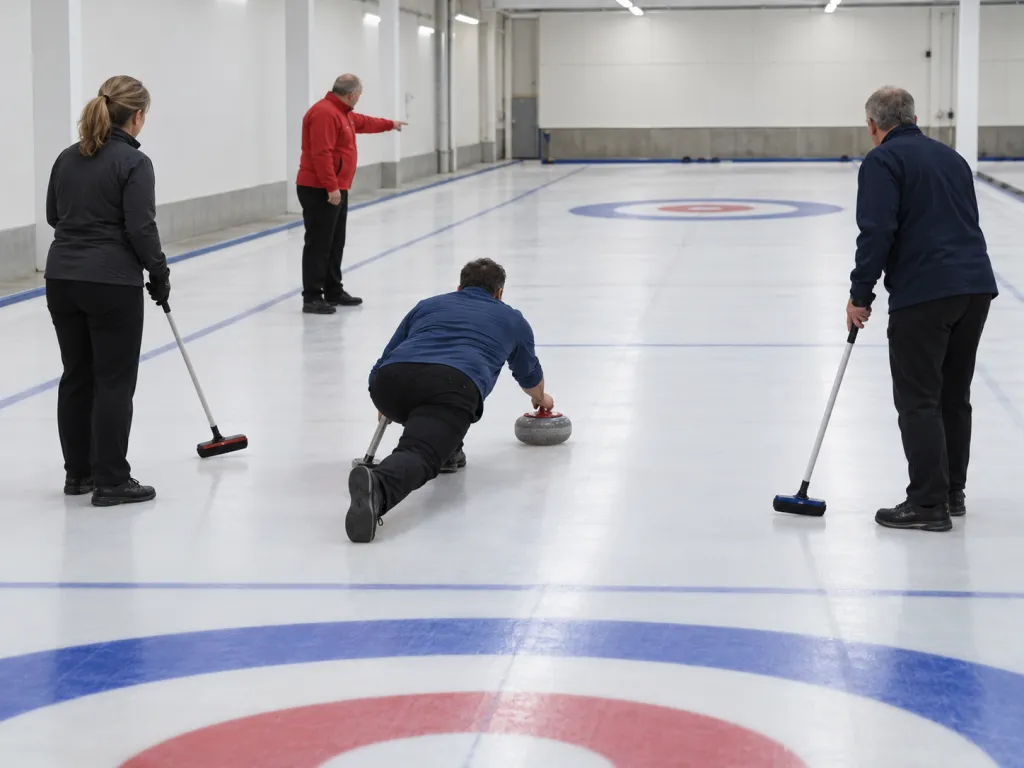
- $185 per person for 10 weeks, equipment included
- Sessions Tuesdays at 6 p.m., 10-minute walk
- Coach teaches beginners; same group of 16 each week
- Social time in the club lounge after each session
Your friend’s alternative
Drop-In Badminton Pass
- $90 per person for a 10-week pass
- Drop in any weekday 7–9 p.m., 35 minutes by bus
- No teams; pair up with whoever is there
- Racquets for rent at $3 per visit
Isabel has found a third option: a drop-in badminton pass at a recreation centre. She likes that it costs less and that you could go any night. Convince Isabel that the activity you chose is a better fit for both of you.
Model answers
These are transcripts of a model response, provided for comparison with your own recording.
The models choose Learn-to-Curl Program before responding to the friend’s alternative.
Level 7 sample answer
137 words
Isabel, I know the badminton pass is cheaper, only $90, and we can go any weekday. That's a good point. But I still think the learn-to-curl program is better for us.
First, it's only a ten-minute walk. The badminton is 35 minutes by bus, and in January it is very cold and dark, so I think we will skip it a lot. Also, we wanted to meet new people. At badminton there is no teams, so we just play with strangers and then go home. In curling we have the same group of 16 every week, and there is social time in lounge after. And um, we don't know how to curl, but a coach will teach us. So I think it's worth the extra money, and it's still under our $200 budget. What do you think?
Why this answer is at level 7
This level 7 answer makes a clear choice and supports it with relevant reasons about transport, friendship, coaching, and budget. Its simple connections, repeated phrasing, and occasional grammar problems make the argument less precise and fluent than the higher-level examples.
At badminton there is no teams, so we just play with strangers and then go home.
— Content/Coherence: The answer connects the activity format to their goal of meeting people, but assumes badminton offers no social connection. A higher-level answer would explain why a regular curling group could make friendships easier without dismissing badminton so completely.So I think it's worth the extra money
— Vocabulary: This clearly expresses value, but the wording is broad and repeats the answer's reliance on 'I think.' A higher-level answer would describe more precisely what the extra money buys, linking coaching, equipment, and regular social contact.And um, we don't know how to curl, but a coach will teach us.
— Listenability: The sentence is easy to follow and sounds conversational on the page. However, the filler and another sentence beginning with 'And' make the progression less controlled. A higher-level answer would connect beginner coaching more smoothly to the overall recommendation.and it's still under our $200 budget.
— Task Fulfillment: This directly addresses their spending limit and helps justify choosing the more expensive activity. A higher-level answer would also compare rental costs and acknowledge whether the Tuesday start leaves enough time after work.
Level 9 sample answer
160 words
Okay, Isabel, I'll admit the badminton pass looks like a great deal. Ninety dollars is about half what curling costs, and being able to show up any night is really convenient. But hear me out, because I think curling fits what we actually want.
The main reason we're doing this is to meet people, right? With drop-in badminton, you pair up with whoever's there, so we might see completely different faces every time. At the curling club, it's the same sixteen people every Tuesday, and there's time in the lounge afterwards to chat. That's how friendships actually start.
Then there's the trip itself. A ten-minute walk versus thirty-five minutes on the bus, at nine o'clock at night in February? Honestly, I know us, we'd talk ourselves out of going. And once you add the three-dollar racquet rental each visit, the price gap isn't as big as it looks.
So why don't we give curling a shot? It's still under budget.
Why this answer is at level 9
This level 9 answer builds a persuasive argument around their shared priorities, using natural expressions and clear transitions. Compared with the level 11 example, its social comparison is less qualified, its cost comparison is less developed, and its late-night travel scenario is presented too firmly.
The main reason we're doing this is to meet people, right?
— Content/Coherence: This establishes a shared priority before comparing the activities, giving the argument a clear direction. The higher-level example adds nuance by acknowledging that badminton could also produce friendships if the same regulars attend.Honestly, I know us, we'd talk ourselves out of going.
— Vocabulary: The expression 'talk ourselves out of going' naturally explains how travel could affect attendance. The higher-level example develops this idea further by linking badminton's flexibility to the temptation to postpone.But hear me out, because I think curling fits what we actually want.
— Listenability: This conversational transition guides Isabel from the concession to the main argument. The higher-level example sustains that listener-friendly flow while using more carefully qualified comparisons, making the persuasion feel more measured.And once you add the three-dollar racquet rental each visit, the price gap isn't as big as it looks.
— Task Fulfillment: This directly challenges Isabel's cost argument using a relevant detail. The higher-level example makes the comparison more concrete with an estimated total, although that estimate depends on an assumed attendance frequency.
Level 11 sample answer
189 words
Isabel, I completely get the appeal. Ninety dollars for ten weeks is a bargain, and not being tied to a fixed night would be lovely when work runs late. Still, I'd like to make the case for curling, because I think it lines up better with why we're doing this in the first place.
The whole point was to stop being strangers in a new city. On a drop-in court, you pair up with whoever happens to be there, which is great for exercise but a slower way to build friendships, unless the same regulars keep showing up. With curling, we'd see the same sixteen people every Tuesday, and the lounge afterwards gives us a ready-made excuse to linger.
There's also the practical side. A thirty-five-minute bus ride home at nine p.m. in a Waterloo February is exactly how flexibility quietly turns into 'maybe next week.' The club is a ten-minute walk. And if we're honest, we'd want to play twice a week, so racquet rentals would push the pass to around $150. For roughly thirty-five dollars more, we'd get proper coaching and equipment. Money well spent, I'd say.
Why this answer is at level 11
This level 11 example combines a tactful concession, nuanced reasoning, vivid language, and a concrete cost comparison. Its strength is the way these details support their shared goal of building friendships, though the attendance assumption and tight after-work schedule still deserve acknowledgment.
which is great for exercise but a slower way to build friendships, unless the same regulars keep showing up.
— Content/Coherence: This weighs both activities fairly and recognizes an exception to the argument. Compared with the lower-level examples, it explains why curling may better support lasting friendships without treating badminton's changing partners as a guaranteed disadvantage.flexibility quietly turns into 'maybe next week.'
— Vocabulary: This vivid phrasing turns an abstract concern about attendance into a recognizable personal habit. It directly answers Isabel's preference for flexibility while keeping the tone appropriate for a conversation between friends.Still, I'd like to make the case for curling
— Listenability: This creates a smooth, polite pivot after acknowledging badminton's appeal. Along with the direct address and conversational phrasing elsewhere, it gives the written response a clear spoken rhythm without making the disagreement sound confrontational.so racquet rentals would push the pass to around $150.
— Task Fulfillment: The estimated total makes the price comparison concrete and supports the value of included equipment and coaching. However, it depends on playing twice a week, which Isabel has not proposed; the calculation should remain clearly conditional.The club is a ten-minute walk.
— Task Fulfillment: This uses a supplied fact to address their lack of a car and support regular attendance. The remaining practical gap is whether they can reach the club for 6 p.m. after finishing work at 5:30 p.m.; the starting point of the walk is unspecified.
What moves an answer from 7 to 9 to 11
These are model answers written to show each level. The labels are practice estimates, not examiner scores.
Make your chosen option clear and compare it with the friend’s alternative using the stated facts. Explain how those differences meet your needs and persuade the listener respectfully.
- Content/Coherence: Level 7 models communicate the main ideas; level 9 models develop relevant details with clear connections; level 11 models sustain precise, well-integrated development.
- Vocabulary: Compare adequate everyday wording with more varied, accurate choices at level 9 and flexible, precise expression at level 11.
- Listenability: Higher-level delivery needs clear pronunciation, rhythm, intonation and controlled pauses. Transcripts suggest phrasing and organisation, but cannot demonstrate these audio features; a recording is needed.
- Task Fulfillment: Compare how fully the response addresses the request, develops enough relevant detail and maintains an appropriate tone for the audience within the task limits.
Assess the criteria together. A longer answer or rarer words alone do not establish a higher level.
Answer this question and get your level
More Task 5 questions
- Booking a Family Camping Weekend
- Picking a Restaurant for a Club Anniversary
- Signing Up for a Winter Hobby Class
- Keeping Camping Gear Dry
- Cooling a Shared Apartment
- An Autumn Afternoon Outdoors
All speaking Task 5 sample questions · Read the Task 5 guide