CELPIP® Speaking Task 5 sample: Choosing a New Dental Clinic
Comparing and Persuading · Choose: 60 seconds · Preparation: 60 seconds · Response: 60 seconds · Published
Original practice questions in CELPIP® task formats, created independently by CELPIP Study.
Practice question
You live in Owen Sound, and your dentist of many years has just retired. You need a new clinic for regular checkups and cleanings. You have no dental insurance, so cost matters, and you work weekdays from 8 a.m. to 4:30 p.m., which makes appointments hard to fit in. Look at the two clinics below and decide which one you would pick.
Kestrel Street Dental Centre

- Checkup and cleaning: $195 per visit
- Open Monday to Friday, 8 a.m. to 4 p.m.
- Five-minute walk from your home
- First new-patient appointment available in two weeks
Brightwater Family Dental
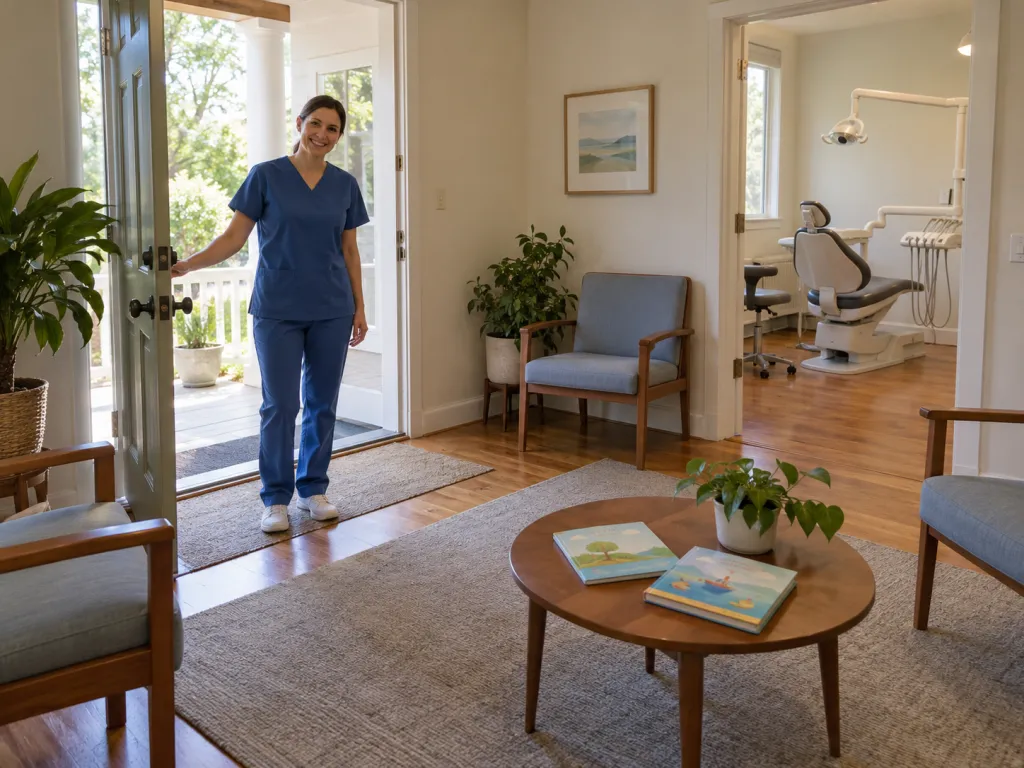
- Checkup and cleaning: $245 per visit
- Open Tuesday and Thursday evenings until 8 p.m., and Saturdays
- 20-minute drive or 35 minutes by bus
- First new-patient appointment available in seven weeks
Your friend’s alternative
College Dental Hygiene Clinic
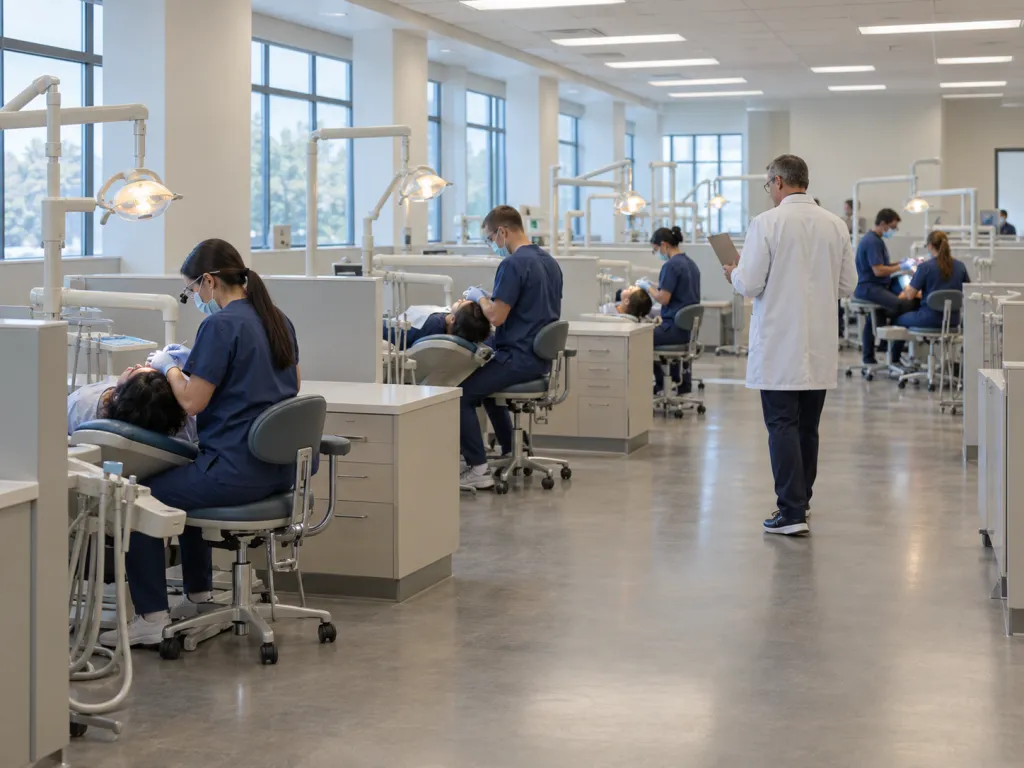
- Cleaning: $60 per visit
- Each appointment lasts about three hours
- Daytime weekday sessions only, ending at 3:00; closed July and August
- Cleanings only; you would still need a dentist for checkups
Your friend Juliette, who had her teeth cleaned there last year, suggests you use the dental hygiene clinic at the local college because it is so much cheaper. Explain to Juliette why the clinic you chose is the better option for you.
Model answers
These are transcripts of a model response, provided for comparison with your own recording.
The models choose Brightwater Family Dental before responding to the friend’s alternative.
Level 7 sample answer
145 words
Juliette, I know the college clinic is cheap, only sixty dollars, and that's a big difference. But I think Brightwater is better for me. First, the appointment at the college takes about three hours, and it's only open on weekdays until three. I work until four-thirty, so I would have to take half a day off, and then I lose money anyway. Brightwater is open on Tuesday and Thursday evenings and Saturdays, so it's easy for me. Also, the college only does cleanings. I still need a dentist for a checkup, so I mean, I would pay two times. Brightwater is two hundred forty-five dollars, that's more, but I get the cleaning and the checkup in the same visit. It's twenty minutes drive and I have to wait seven weeks, but my teeth are fine. So I think it's a better choice, don't you think?
Why this answer is at level 7
This level 7 example gives Juliette clear, relevant reasons for choosing Brightwater: appointments outside work hours and checkups alongside cleanings. Its straightforward organization works, but awkward wording and loosely explained costs make it less precise and polished than the higher-level examples.
First, the appointment at the college takes about three hours, and it's only open on weekdays until three.
— Content/Coherence: This establishes a relevant scheduling problem before connecting it to the speaker's work hours. A higher-level answer would develop that comparison more smoothly and distinguish the certain need to miss work from the possible loss of pay.so I mean, I would pay two times.
— Vocabulary: The meaning is understandable, but “pay two times” is awkward and could suggest paying double. A higher-level answer would specify separate bills for cleaning and a dental checkup without implying a known combined cost.It's twenty minutes drive and I have to wait seven weeks, but my teeth are fine.
— Listenability: The sentence is easy to follow, although “twenty minutes drive” sounds awkward and the travel and waiting drawbacks are compressed together. A higher-level answer would phrase the drive naturally and give the waiting-time concession more space.Brightwater is two hundred forty-five dollars, that's more, but I get the cleaning and the checkup in the same visit.
— Task Fulfillment: This directly addresses the higher price and explains a practical benefit for someone needing both services. A higher-level answer would connect that convenience more explicitly to avoiding another booking and another trip.
Level 9 sample answer
172 words
Juliette, I totally get why you'd suggest the college clinic. Sixty dollars a visit is hard to beat, and you obviously had a good experience there. But when I looked at the details, Brightwater still makes more sense for me.
The biggest issue is time. A cleaning at the college takes around three hours, and they're only open on weekdays until three. Since I don't finish work until four-thirty, I'd have to take an unpaid afternoon off, which would probably cancel out whatever I'd save. Brightwater, on the other hand, has evening appointments on Tuesdays and Thursdays, plus Saturdays, so I wouldn't miss a minute of work.
The other thing is that the college only does cleanings. I'd still have to find a dentist for the actual checkup, so I'd be paying twice and booking two appointments. At Brightwater, it's two hundred and forty-five, and everything's done in one visit.
Sure, the seven-week wait isn't ideal, but nothing's bothering me right now, so I can live with that. Does that make sense?
Why this answer is at level 9
This level 9 example builds a clear, conversational case around work commitments and getting both services together. It improves on the level 7 example through smoother transitions and more natural vocabulary, but assumptions about lost pay and omitted travel details make it less measured and complete than the level 11 example.
I'd have to take an unpaid afternoon off, which would probably cancel out whatever I'd save.
— Content/Coherence: This develops the scheduling conflict into a financial argument, directly connecting the speaker's constraints. However, unpaid leave and the amount of lost earnings are not established. A stronger answer would make that financial consequence conditional.Sixty dollars a visit is hard to beat
— Vocabulary: This natural expression acknowledges the college's strongest attraction without sounding formal or rehearsed. Compared with the top example, the vocabulary is less varied in expressing how competing benefits were weighed.The other thing is that the college only does cleanings.
— Listenability: This conversational signpost makes the move from scheduling to services easy to follow. The top example uses a more pointed transition that also explains why the limitation matters to the decision.Sure, the seven-week wait isn't ideal, but nothing's bothering me right now, so I can live with that.
— Task Fulfillment: This acknowledges a genuine disadvantage and supplies personal context for accepting it, although the absence of symptoms is added by the speaker. The higher-level example also addresses Brightwater's drive, making its treatment of drawbacks more complete.
Level 11 sample answer
188 words
Juliette, I really appreciate you looking out for me, and honestly, sixty dollars a cleaning is a bargain I can't just brush aside. But once I'd weighed everything, I kept coming back to Brightwater.
Here's what tipped the balance. Each appointment at the college runs about three hours, and the clinic closes at three on weekdays. Given that I'm at work until four-thirty, I'd be sacrificing an entire afternoon every time, and whatever I saved on the bill would vanish in lost hours. Brightwater, by contrast, is open Tuesday and Thursday evenings and on Saturdays, so I could slip in after work without asking anyone for time off.
There's also a catch you might not have noticed: the students only do cleanings. I'd still need a dentist to examine my teeth, which means two separate bills and two separate trips. At Brightwater, two hundred and forty-five dollars covers both in a single visit.
Admittedly, it's a twenty-minute drive and I'll be waiting seven weeks for a first appointment. Had I been in pain, that wait would've been a deal-breaker, but since I'm not, I'm happy to be patient.
Why this answer is at level 11
This level 11 example combines tactful persuasion, varied vocabulary, and a well-developed comparison tailored to the speaker's schedule and dental needs. It also acknowledges both travel and waiting drawbacks, although its claim that lost work would erase the savings is more certain than the supplied information supports.
which means two separate bills and two separate trips.
— Content/Coherence: This clearly develops the consequence of the college offering cleanings only. The parallel wording links the service limitation to both financial administration and travel, making the practical advantage of Brightwater easy to understand.a bargain I can't just brush aside.
— Vocabulary: The idiom acknowledges that the college's low price deserves serious consideration. It adds personality while fitting the friendly conversation, and it prepares the listener for a decision based on several competing needs.Here's what tipped the balance.
— Listenability: This short sentence creates a clear transition from appreciation to the decisive reason. Its placement gives the explanation a natural spoken rhythm and helps Juliette recognize that the scheduling argument carries particular weight.Admittedly, it's a twenty-minute drive and I'll be waiting seven weeks for a first appointment.
— Task Fulfillment: This openly addresses both major drawbacks of the chosen clinic. Acknowledging them strengthens the persuasion because the speaker presents Brightwater as a considered personal choice while recognizing the inconvenience involved.whatever I saved on the bill would vanish in lost hours.
— Content/Coherence: This concisely connects appointment length with the speaker's concern about cost. However, the prompt does not establish unpaid leave or lost earnings, so the claim is too definite; conditional wording would preserve the argument's precision.
What moves an answer from 7 to 9 to 11
These are model answers written to show each level. The labels are practice estimates, not examiner scores.
Make your chosen option clear and compare it with the friend’s alternative using the stated facts. Explain how those differences meet your needs and persuade the listener respectfully.
- Content/Coherence: Level 7 models communicate the main ideas; level 9 models develop relevant details with clear connections; level 11 models sustain precise, well-integrated development.
- Vocabulary: Compare adequate everyday wording with more varied, accurate choices at level 9 and flexible, precise expression at level 11.
- Listenability: Higher-level delivery needs clear pronunciation, rhythm, intonation and controlled pauses. Transcripts suggest phrasing and organisation, but cannot demonstrate these audio features; a recording is needed.
- Task Fulfillment: Compare how fully the response addresses the request, develops enough relevant detail and maintains an appropriate tone for the audience within the task limits.
Assess the criteria together. A longer answer or rarer words alone do not establish a higher level.
Answer this question and get your level
More Task 5 questions
- Picking a Pharmacy for Monthly Refills
- Choosing a Staff Wellness Program
- Choosing a Winter Sports League
- Booking a Family Camping Weekend
- Picking a Restaurant for a Club Anniversary
- Signing Up for a Winter Hobby Class
All speaking Task 5 sample questions · Read the Task 5 guide